
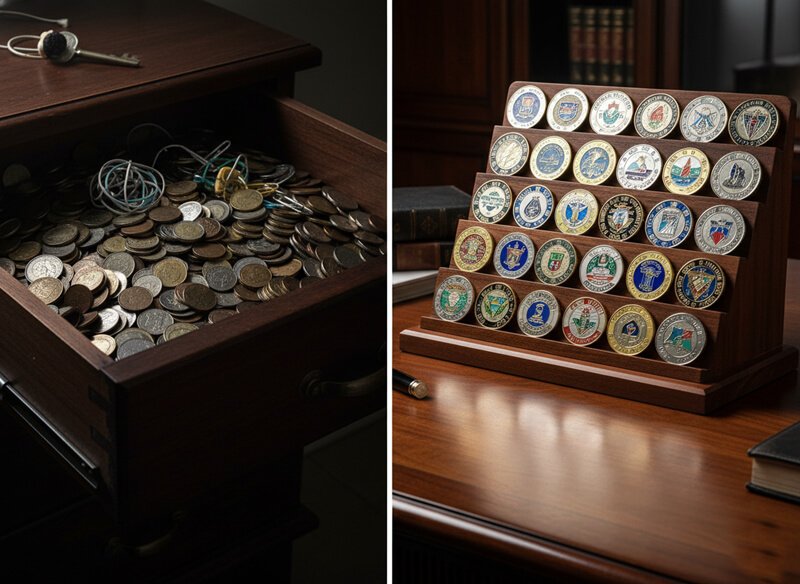
The Origins of Honor: Why We Display
To truly understand how to display a challenge coin, one must understand the weight of the history it carries. These are not modern trinkets invented for corporate swag bags; their lineage is forged in conflict and survival. While the exact origin is debated by military historians, two prevailing stories dominate the lore, and both underscore why these coins deserve a place of high honor in your home.
The Roman Legacy
The earliest roots of the challenge coin concept can be traced back to Ancient Rome. When soldiers performed well in battle, they were often rewarded not just with their standard pay, but with a separate, special coin minted with the mark of the legion. These coins were not meant to be spent at the local market on wine or bread. They were keepsakes, proof that a man had served with distinction. A soldier would keep this coin on his person as a badge of honor, ensuring that his status within the legion was recognized wherever he traveled.
The Legend of the World War I Pilot
The most widely accepted origin story—and the one that gives the “challenge” coin its life-saving reputation—comes from the Great War. As the story goes, a wealthy American lieutenant volunteered for the newly formed Army Air Service. Before his squadron shipped out to Europe, he commissioned solid bronze medallions for his pilots, each embossed with the squadron’s insignia.
Shortly after arriving in France, one of the young pilots was shot down behind enemy lines. He survived the crash but was immediately captured by a German patrol. The Germans stripped him of his uniform, his identification, and his weapons, but in the chaos, they missed the small leather pouch around his neck containing the bronze medallion.
That night, the pilot managed a daring escape. He crossed No Man’s Land and stumbled into a French outpost. However, the French soldiers were on high alert for German saboteurs posing as civilians. Seeing a man in civilian clothes with no dog tags and a thick American accent (which they couldn’t distinguish from German), they prepared to execute him as a spy.
Desperate to prove his identity, the pilot produced the bronze medallion from his pouch. One of the French captors recognized the squadron insignia on the coin. The execution was halted, and instead of a firing squad, the pilot was given a bottle of French wine. Upon his return to his squadron, it became mandatory for all pilots to carry their medallion—their “coin”—at all times.
Critical Factors Before Choosing a Display
Before you rush out to buy the first rack you see online, you need to pause and evaluate your specific situation. Not all displays are created equal, and what works for a collector with 300 coins won’t work for someone with just three. Choosing the right holder is about balancing protection, aesthetics, and space.
1. Assessing the Size and Growth of Your Collection
The first step is a simple headcount. Are you displaying a single coin that represents a pinnacle achievement, or are you looking to house a lifetime of memories? If you have a massive collection, you need a solution that can grow with you. There is nothing worse than buying a 20-coin rack when you have 50 coins, leaving the rest to gather dust.
Conversely, a massive cabinet for three coins will look empty and sad. You want a display that makes the collection look full and intentional. A good rule of thumb is to buy a display that is about 20% larger than your current collection to accommodate future acquisitions without looking empty today.
2. Location and Environmental Intelligence
Where is this display going? If you are planning to put it in a “dusty spot” like a garage or a tool shed, an open-air rack is a terrible idea. You will want an enclosed case with a cover. However, if it is going on an executive desk or a clean mantelpiece, an open stand offers easier access for you to pick up the coins and show them off.
You must also consider sunlight. Direct UV exposure can damage the enamel paint on coins over years, causing vibrant reds and blues to fade. If your chosen wall gets direct sun, you need a cabinet with UV-protected glass or a location change.
3. Security and The “Coin Check” Factor
Challenge coins are tactile. They are meant to be held. The tradition of the “coin check”—where a member slams a coin on the bar and others must produce theirs—requires quick access. If you enjoy the tactile nature of your coins, an open shelf or a desktop tray is superior because it invites interaction.
However, do you have young children or curious pets? Small challenge coins can easily be mistaken for candy or toys. If your household is active, you must prioritize safety. A lockable wall cabinet mounted high up is far safer than a low-sitting tabletop rack. Additionally, rare or precious metal coins should be under lock and key to prevent theft.

Highlighting the Individual: Best Holders for Single Coins
Sometimes, less is more. If you have one or two coins that mean the world to you—perhaps a gift from a grandfather or a specific award for valor—you want a display that acts as a spotlight. Here are the best ways to highlight individual treasures.
Coin Capsules: The Essential Basic
Coin capsules are the unsung heroes of coin preservation. These are clear, plastic, or acrylic containers designed to fit snugly around your coin. They are incredibly affordable and offer 360-degree protection. Because they seal the coin, they protect against scratches, dents, and finger oils. They are portable enough to fit in your pocket or wallet, meaning your lucky coin can travel with you safely.
Floating Frame Displays (3D Suspension)
If you want a modern, magical look, the floating frame is a “hidden gem” in the collecting world. These frames use two sheets of transparent, flexible silicone membrane. When you close the frame, the coin is sandwiched between the sheets, making it look like it is suspended in mid-air. The massive advantage here is visibility: you can see both the obverse (front) and reverse (back) of the coin without opening the case. They protect against dust and allow for a full visual inspection.
Glass Domes: Museum Quality
For a museum-quality presentation, consider a glass dome. Often featuring a wooden base and a metal caliper or stand, these displays protect the coin under a glass bell jar. It gives off a classic “Beauty and the Beast” vibe, elevating the coin to the status of a rare artifact. Some even come with rotating bases (Lazy Susan style), allowing you to spin the display and see all angles without touching the glass.
Single Coin Easels
Simple, effective, and elegant. These look like miniature artist easels. They come in wood, metal, or acrylic. They are perfect for a desk at work where you want to keep a specific coin in your line of sight for motivation. While they offer zero protection from air or dust, they offer the highest level of accessibility.
| Display Type | Protection Level | Visibility | Best Application |
|---|---|---|---|
| Coin Capsule | High (Sealed) | Good (Edges covered) | Carry/Pocket |
| Floating Frame | High (Dust-proof) | Excellent (2-sided) | Desks/Shelves |
| Glass Dome | High (Enclosed) | Excellent (360-degree) | Centerpieces |
| Mini Easel | Low (Open) | Good (1-sided) | Office Desks |
Conquering the Horizontal: Tabletop Solutions
When you have moved past a single coin and started building a small army of them, you need real estate. Tabletop displays are the most popular choice for office desks, mantels, and bookshelves. They turn your collection into a decor piece.
The Slant-Top “Stadium” Display
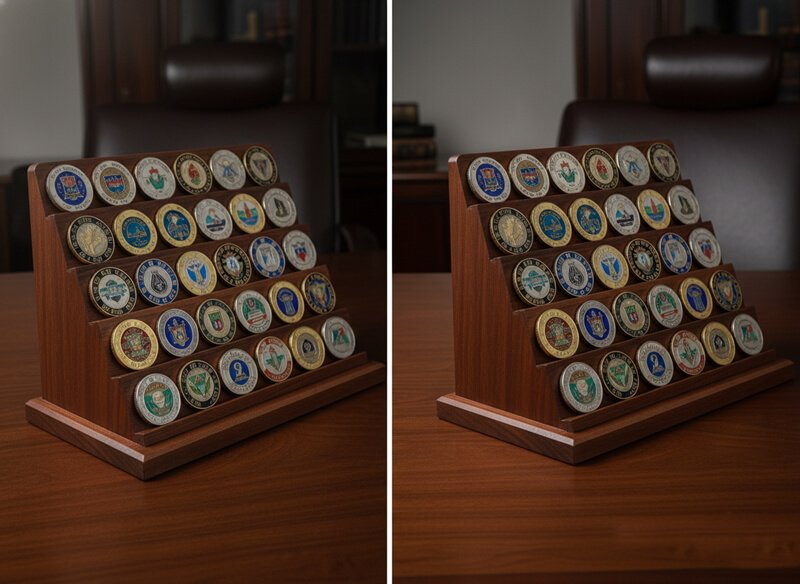
Imagine a miniature stadium seating arrangement for your coins. That is the slant-top display. Usually crafted from rich woods like walnut or cherry, these cases feature angled rows with grooves. They are ideal for collections ranging from 10 to over 75 coins. The angle ensures that overhead light catches the metal, making them gleam. However, be aware that if you buy a large case for a small collection, the empty slots can look unfinished. It is best to buy these when you have enough inventory to fill at least half the rows.
Multi-Tier Pyramid Displays
For a truly unique look, the pyramid display is a showstopper. These stands have a wide base that tapers up to a point, with shelves on all four sides. Many of them sit on a “Lazy Susan” style rotating base. This allows you—or your guests—to spin the display and view the collection from 360 degrees. It is an interactive experience that works perfectly as a centerpiece on a coffee table or a large executive desk.
Stair-Step Racks
These are simple blocks of wood cut with steps, like a staircase. Each step has a groove for the coins. You can find them with 2 rows, 3 rows, or up to 6 rows. They are compact and keep the coins upright. The only downside is that the coins in the back rows might be partially blocked by the coins in the front, so you have to arrange them strategically—smaller coins in front, larger ones in the back.
Material Science for the Discerning Collector
When selecting a high-end display case, particularly cabinets and shadow boxes, the materials used are not just about aesthetics—they are about the longevity of your collection. Cheap materials can release gases that damage coins or fail to protect them from environmental harm.
The Wood: Aesthetics vs. Durability
- Walnut: The gold standard for military displays. Walnut is a hard, dense wood with a deep, rich chocolate brown color. It contrasts magnificently with gold and silver coins. It is highly durable and resists warping over time.
- Cherry: Known for its reddish-brown hue and smooth grain. Cherry wood darkens and becomes richer as it ages and is exposed to light. It offers a warmer, more traditional look than Walnut and is often used in heirlooms.
- Oak: A very hard, durable wood with a distinctive, prominent grain pattern. Oak is often stained in various colors. It is less formal than Walnut or Cherry and fits well in rooms with rustic or country-style decor.
- Mahogany: The classic choice for furniture. It has a straight grain and a reddish-brown color that speaks of old-world luxury. However, be wary of “Mahogany finish” which is often just cheap pine stained red. Always look for “Solid Mahogany.”
The Glass: Clarity vs. Protection
Not all transparent surfaces are created equal. The material covering your coins plays a huge role in how they look and how long they last.
- Standard Float Glass: The most common glass found in picture frames. It is heavy and scratch-resistant but has a slight green tint at the edges. It offers zero protection against UV rays.
- Acrylic (Plexiglass): Lighter than glass and shatter-resistant, making it a great choice if you move frequently or have kids. However, standard acrylic scratches very easily. You must use special microfiber cloths to clean it, or it will develop a haze over time.
- UV-Conservation Glass: If your display will be near a window, this is mandatory. UV glass is treated to block 99% of ultraviolet light. Without this, the enamel paint on your challenge coins (the blues, reds, and greens) will fade, crack, and chalk over a few years. It is more expensive but cheaper than replacing a rare coin.
The Buyer’s Inspection Guide
If you decide to purchase a pre-made display rather than building one, you will be faced with a wide range of price points. You might see a 50-coin cabinet for $40 online and a similar-looking one for $200. Why the difference? And does it matter? Here is your inspection checklist.
1. Joinery Matters
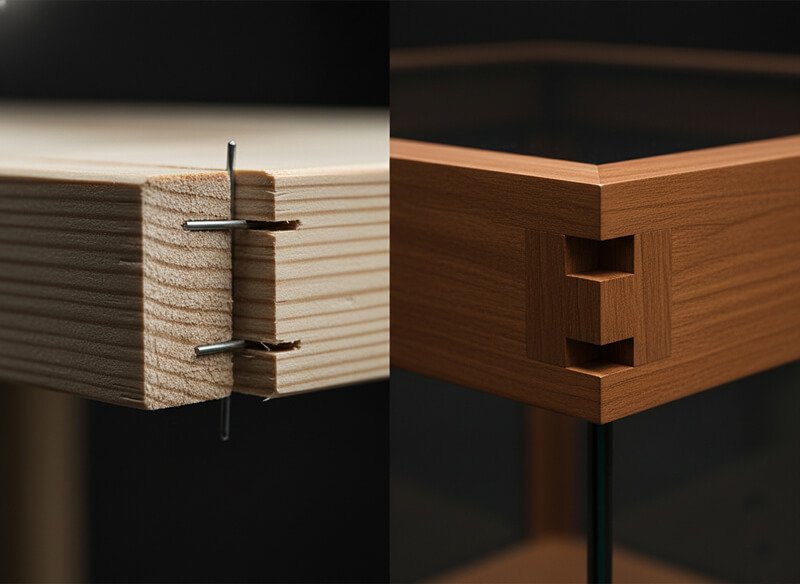
Look closely at the corners of the wooden case. Cheap cases use “butt joints” held together with simple staples or glue. These are weak and can separate over time, especially under the weight of heavy coins. High-quality cases use miter joints (45-degree angles) or finger joints (interlocking teeth). These provide structural integrity that will last for decades.
2. The “Felt” Trap
The fabric backing of a shadow box or cabinet serves two purposes: visual contrast and friction to keep coins in place. Low-quality cases use thin, paper-backed felt that often bubbles or peels. High-quality cases use Crushed Velvet or Loop Fabric. Velvet has a sheen that catches the light and makes the metal coins pop. Loop fabric allows you to use Velcro anywhere on the surface, offering maximum customization.
3. Hinge and Latch Hardware
The hardware is the first thing to fail on cheap cabinets. Avoid small, flimsy brass hinges that look like foil. Look for piano hinges (a single long hinge running the length of the door) or heavy-duty architectural hinges. For latches, a simple magnet is convenient, but a keyed locking mechanism offers the security needed for a valuable collection.
4. Shelf Stability (The Bow Test)
Challenge coins are deceptively heavy. A single 2-inch solid brass coin can weigh several ounces. A row of 10 coins adds up quickly. Cheap display racks use thin balsa wood or composite board for shelves. Over a few months, these will sag or “bow” in the middle under the weight. Ensure the shelves are made of solid hardwood or are thick enough (at least 1/4 inch) to support a full load without warping.
Commanding the Vertical: Wall-Mounted Options
Floor and desk space is precious. If you have a large collection (we are talking 50, 60, or 100+ coins), you need to go vertical. Wall-mounted displays turn your collection into art.
Shadow Boxes: The Storyteller
A classic for a reason. Shadow boxes are deep frames with a glass front. The back is usually lined with velvet or felt. You can attach coins using Velcro, adhesive, or simply rest them on internal shelves. The beauty of a shadow box is versatility; you can mix in other items like patches, ribbons, or photographs alongside the coins to tell a complete story of service.
Enclosed Display Cabinets: The Safe
For the serious collector, an enclosed cabinet is the gold standard. These units often feature hinged glass doors that open from the front. They protect your investment from dust, moisture, and theft (if you choose a lockable version). Some cabinets can hold a staggering 108 coins or more. Look for cabinets with sturdy hangers on the back, as a full case is incredibly heavy.
American Flag and Shape-Based Racks
Patriotism and challenge coins go hand in hand. Wooden displays carved in the shape of the American flag are incredibly popular. The stripes of the flag serve as the shelves for the coins. You can also find displays shaped like military emblems (like an anchor for the Navy or a shield for law enforcement). These are open-air displays, meaning there is no glass cover, so you will need to dust them occasionally, but the visual impact is undeniable.
The Craftsman’s Path: DIY Display Projects
If you are handy with tools, building your own display can be a rewarding weekend project. Not only is it cost-effective, but it also allows you to customize the size exactly to your needs. Here are two approaches based on skill level.
Project A: The Simple Slotted Stand (Beginner)
This project requires minimal materials—just a nice hardwood blank (Walnut or Oak works best) and a table saw.
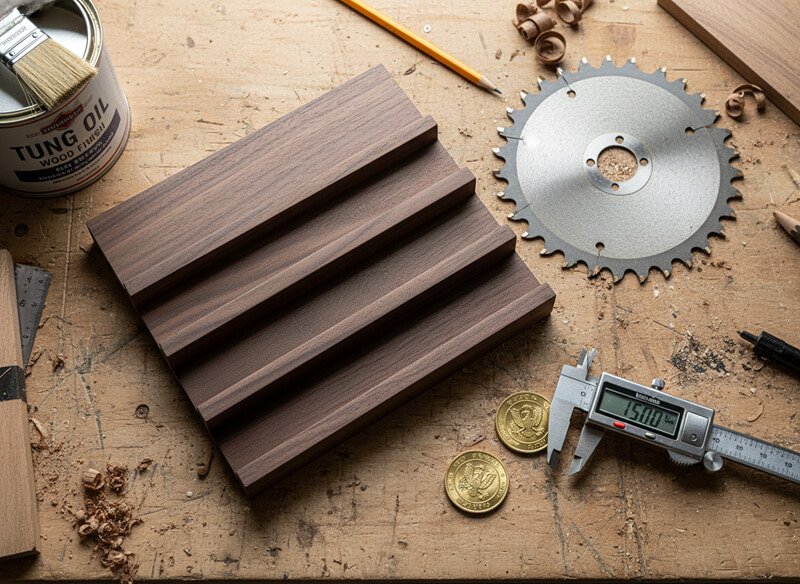
- Preparation: Start with a board about 2 inches thick. Use a jointer or saw to create a slant on the face of the board (about 5 degrees) so the coins lean back slightly for better viewing.
- Cutting Grooves: Set your table saw blade to a depth of about 5/16 inches. The width of the kerf (the cut) needs to be wide enough for your thickest coin—usually about 1/4 inch. If your blade is thin, you might need to make two passes.
- Spacing: Measure carefully. Place the first groove about 5/8 inch from the front, then space subsequent rows about 1 inch apart on center.
- Finishing: Use a chisel to gently clean the bottom of the grooves. Sand the wood up to a high grit (like 220 or 400) for a smooth feel. Finish with Boiled Linseed Oil (BLO) to pop the grain. Add a felt bottom to protect your desk.
Project B: The Custom Wall Case (Intermediate)
This involves building a frame, shelves, and a backing.
- Frame: Cut four pieces of hardwood (Oak/Walnut) to your desired dimensions. Join them using wood glue and nails or screws for strength.
- Shelves: Cut thinner strips of wood for the shelves. Before installing them, cut grooves into these strips to hold the coins. Install the shelves inside the frame, spacing them to accommodate the height of your largest coins (usually 2 to 2.5 inches).
- Backing: Cut a piece of plywood for the back. You can cover this with velvet or felt for a luxurious look before nailing it to the frame.
- Door (Optional): If you want protection, attach a frame with picture glass or acrylic using hinges and a latch.
Strategic Organization: Bringing Order to Chaos
Once you have the display, you can’t just throw the coins in randomly. A disorganized display looks like clutter. Organizing your coins tells a narrative. Consider these themes:
Theme 1: “The Climb” (Rank Progression)
This layout focuses on personal growth. At the bottom of the case, place coins from your earliest days—training units, first duty stations. As you move up the shelves, the coins should reflect higher stakes—coins from Generals, high-level certifications, or major commands. At the very top, place your highest rank coin or retirement coin. This creates a visual ladder of success.
Theme 2: “Brothers in Arms” (Joint Operations)
Modern warfare and emergency response are rarely done alone. If you worked in joint environments (e.g., Army working with Air Force, or Police working with Fire), group these coins together. Place the coin of your specific unit in the center, and surround it with the coins of the units you supported or were supported by. This layout emphasizes the network of support and the collective effort.
Theme 3: “The Map” (Geographical)
For the world traveler, organize by geography. Dedicate a shelf to “The Desert” (Middle East deployments), another to “The Pacific” (Asian tours), and another to “Home Soil” (Training and stateside bases). You can even use a shadow box with a map of the world as the background, pinning the coins to the specific countries where they were earned.
Preservation and Maintenance Protocols
Coins are metal, but they are not invincible. Bronze, copper, and nickel can tarnish, corrode, or scratch if mistreated. Proper maintenance ensures your legacy outlasts you.
Cleaning Your Coins
Dust is the enemy. For open displays, regular dusting with a microfiber cloth is essential. If a coin gets grimy, avoid harsh chemicals or abrasive scrubbers, which can strip the plating or damage soft enamel paints. A gentle soap and warm water solution, followed by thorough drying with a soft cloth, is usually all you need.
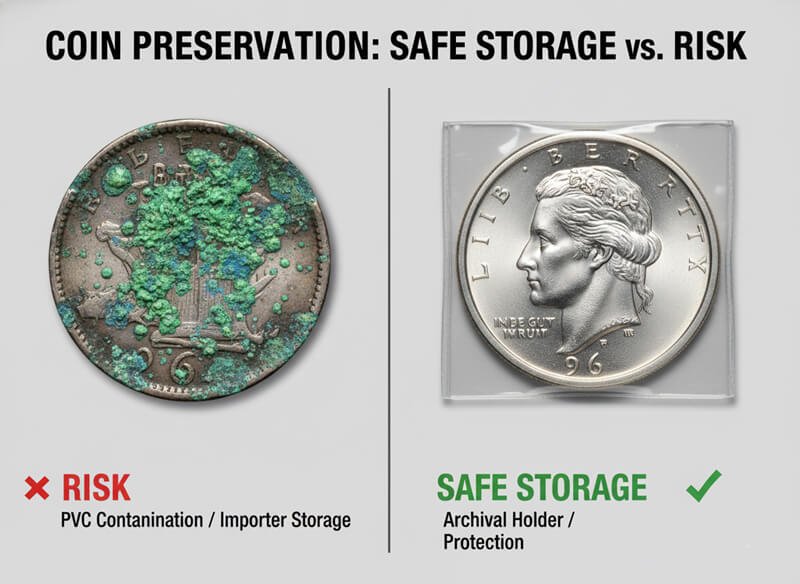
The PVC Warning
If you store coins in plastic flips, ensure they are PVC-Free. Standard vinyl pouches release acidic gases as they degrade, creating a sticky green slime on coins known as “PVC damage.” Always use Mylar flips for long-term storage, as Mylar is chemically inert.
Creative Alternatives: The “Non-Display” Display
Perhaps you don’t have the wall space for a cabinet, or you find standard racks too “stuffy.” There are creative, unconventional ways to integrate challenge coins into your life without using a traditional holder.
The Bar Top Inlay
For the ultimate “man cave” project, consider embedding your coins into a bar top or coffee table. This involves routing out a recess in the wood surface, placing the coins in a pattern (perhaps a river of coins), and then pouring a self-leveling clear epoxy resin over them. This permanently seals the coins (so use duplicates if possible!) but creates an incredible, indestructible surface where the coins are the star of the room.
The Magnetic Board
Most challenge coins are made of brass or zinc alloy, which are not magnetic. However, iron-based coins are. For non-magnetic coins, you can adhere a small, strong magnet to the back of the coin (using a removable adhesive like command strips). Then, use a magnetic metal board or even the side of a tool cabinet to display them. This allows you to arrange them in dynamic patterns that can be changed daily.
FAQ
A: To keep coins secure in a shadow box without shelves, use strong Velcro dots, double-sided mounting tape, or a hot glue gun (use low temp to avoid damaging the coin) to attach the coin to the fabric backing. Alternatively, buying a shadow box with built-in shelves is the easiest non-adhesive method.
A: Yes! Open-air wooden racks, often shaped like flags or emblems, are very popular. They mount directly to the wall and have grooves for the coins. Just remember that because there is no glass cover, you will need to dust the coins regularly.
A: For “overflow” coins, use acid-free storage boxes or Mylar coin flips. Place these in a cool, dry environment (like a closet shelf, not a damp basement) to prevent tarnish. Avoid standard plastic bags that contain PVC.
A: Hardwoods are best for durability and aesthetics. Walnut is a top choice for its rich, dark color that contrasts well with gold and silver coins. Cherry, Oak, and Mahogany are also excellent choices. Softwoods like Pine can dent easily but are cheaper for beginners.
A: Generally, no. Most challenge coins are not solid silver; they are brass or zinc alloy plated with a thin layer of silver or gold. Abrasive silver polishes remove a thin layer of metal with every use. You can easily rub the plating right off, ruining the coin. Stick to warm water, mild soap, and a soft cloth.
Conclusion: Honoring the Legacy
From the dusty shoebox in the closet to a proud place of honor on your wall, the journey of displaying your challenge coins is one of respect. These small metal tokens represent hours of hard work, moments of bravery, and lifetime bonds formed in service. Whether you choose a simple DIY slotted stand, a high-tech floating frame, or a massive 100-coin mahogany cabinet, the important thing is that you get them out into the light.
Organizing and displaying your collection not only preserves the physical condition of the coins but also keeps the memories alive. It sparks conversations with guests and serves as a daily reminder of what you have accomplished. So, take the weekend to sort your collection, pick the display that fits your space, and give your history the home it deserves.
As you organize your collection, you may find gaps you want to fill, or perhaps you are inspired to create a new coin to commemorate a current team or event. The tradition of the challenge coin is living and breathing, and it continues with you.