What Is Metal Plating and Why Is It So Important?
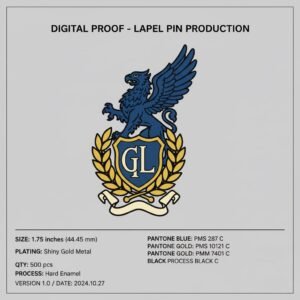
Before we explore the options, let’s start with a simple definition. Plating is a manufacturing process that deposits a thin layer of metal (like real 24K gold, silver, or copper) onto the surface of the pin’s base metal (which is typically a durable and cost-effective material like iron, brass, or zinc alloy). This process, usually done via electroplating, serves three critical purposes:- Aesthetic Appeal: It provides the final, beautiful metal color, shine, and texture that you see. It turns a raw metal stamping into a finished piece of art.
- Enhanced Durability: The plating acts as a protective shield, protecting the base metal from scratches, corrosion, and oxidation (tarnishing) over time.
- Perceived Value: A high-quality finish gives the pin a more substantial, valuable feel. A shiny gold pin feels like a piece of jewelry, not just a promotional item.
The Classics: High-Polish and Shiny Finishes
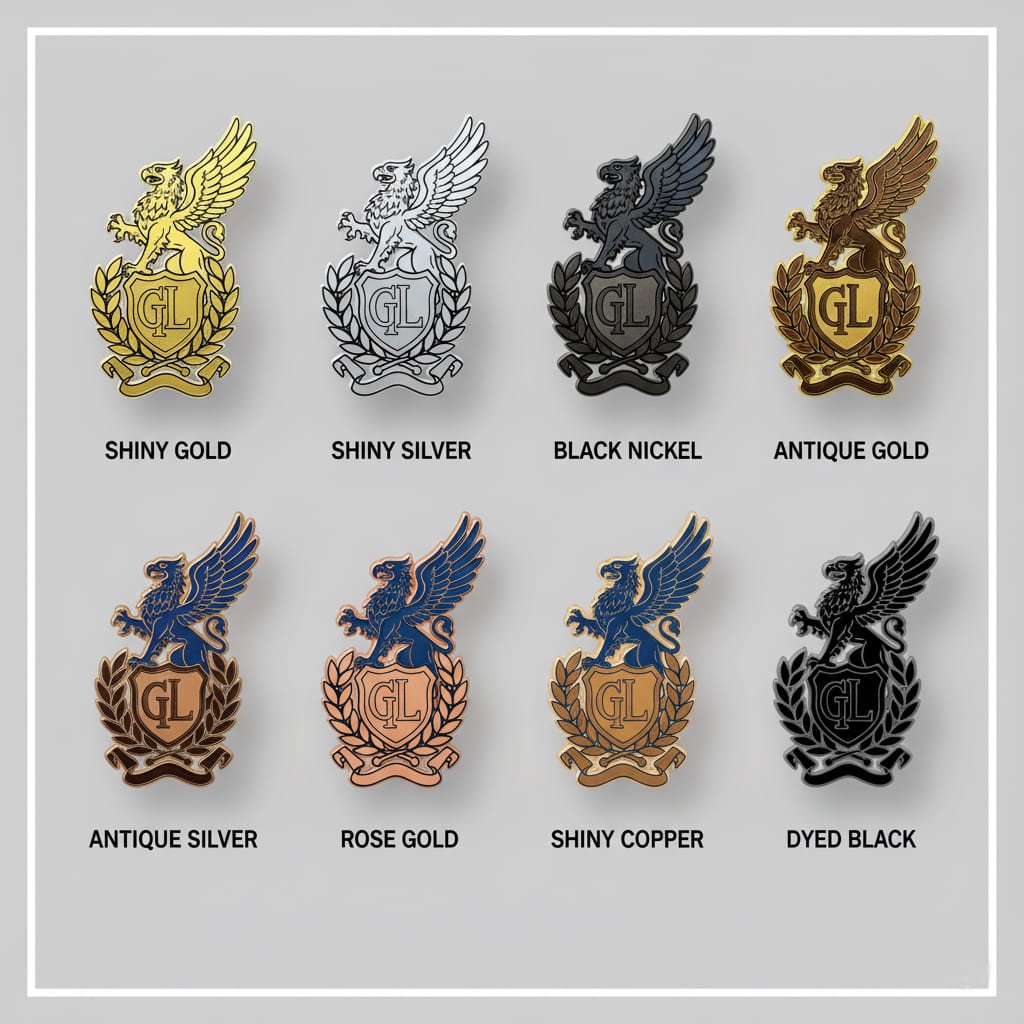
These are the foundational options, the most popular and versatile choices for a wide range of designs. A high-polish finish is bright, reflective, and immediately eye-catching, making it a perfect choice for pins that need to stand out.Polished Gold: The Timeless Standard of Prestige
- Appearance: Luxurious, bright, and highly reflective with the unmistakable look of 24K gold. It’s the classic choice for conveying value and elegance.
- Найкраще для: Corporate branding, years of service awards, commemorative pins, university crests, and any design that needs to communicate achievement and prestige.
- Design Strategy: Polished gold creates a stunning contrast that makes dark enamel colors pop. It pairs beautifully with navy blue, forest green, deep red, and black, giving them a rich, regal feel.
Поліроване срібло & Nickel: Sleek, Modern, and Versatile
- Appearance: Clean, sophisticated, and bright. Silver plating offers a classic, cool-toned finish, while nickel is often slightly brighter with a whiter, more brilliant shine.
- Найкраще для: Tech company logos, professional organizations, modern brand identities, and as a more affordable yet equally elegant alternative to gold.
- Design Strategy: This is the workhorse of plating options, complementing nearly any color palette. It works especially well with cool colors like blues and purples. Be mindful that very light colors, like pale yellow or white, can sometimes have low contrast against a shiny silver background.
Polished Copper: Warm, Rich, and Unique
- Appearance: A warm, reddish, and highly distinctive tone. It has a character that is both rustic and modern, often resembling rose gold in certain lighting.
- Найкраще для: Designs with earthy themes, vintage aesthetics, or brands that want to stand out from the standard gold and silver crowd.
- Design Strategy: Copper’s warm undertones pair beautifully with green, brown, turquoise, and cream-colored enamels, creating a harmonious and organic look.
Polished Bronze: Classic and Distinguished
- Appearance: Similar to gold but with a warmer, slightly more subdued, and earthy hue. It provides a classic look without the high shine of pure gold.
- Найкраще для: Military and service pins, historical themes, and awards that require a classic, distinguished feel.
The Vintage Look: Antique and Weathered Finishes
What if you want your pin to feel like it has a story? Antique plating is a special process designed to give your pins a weathered, vintage character right out of the box. The process involves plating the pin and then applying a dark solution that settles into the recessed areas. The raised surfaces are then hand-polished, creating a beautiful contrast that highlights the fine details of your design. The primary benefit of an antique finish is its exceptional ability to showcase detail. The darkened recessed areas make fine lines and intricate text far more legible than on a high-polish pin, making it a perfect choice for die-struck designs without any color fill. Learn more about this style in our Посібник зі створення класичних безбарвних металевих шпильок.Antique Gold: The Look of a Cherished Heirloom
- Appearance: Muted, aged gold with dark, shadowy recessed areas. It looks less like a new coin and more like a treasured artifact.
- Найкраще для: Historical commemorations, Masonic emblems, university crests, and any design aiming for a classic, traditional, and dignified feel.
Antique Silver: The Feel of Rustic Pewter
- Appearance: A soft, weathered silver with a charcoal or gunmetal-like quality in the recesses. It’s refined without being flashy.
- Найкраще для: Highly detailed die-struck pins, text-heavy designs, and corporate logos that want a sophisticated but less shiny look. It is also excellent at hiding minor scratches and fingerprints.
Антична мідь & Bronze: Earthy and Historic
- Appearance: Deep, warm tones with an authentic patina that looks like it has been earned over decades.
- Найкраще для: Steampunk designs, military branch insignia, rustic branding, and any pin that needs to feel like a historical artifact.
The Modern Edge: Black, Colored, and Rainbow Finishes
Beyond the traditional metals, a new palette of modern finishes has become incredibly popular, especially with artists and contemporary brands. These options are all about creating bold, high-contrast statements that are impossible to ignore.Black Nickel vs. Dyed Black Metal: A Critical Distinction
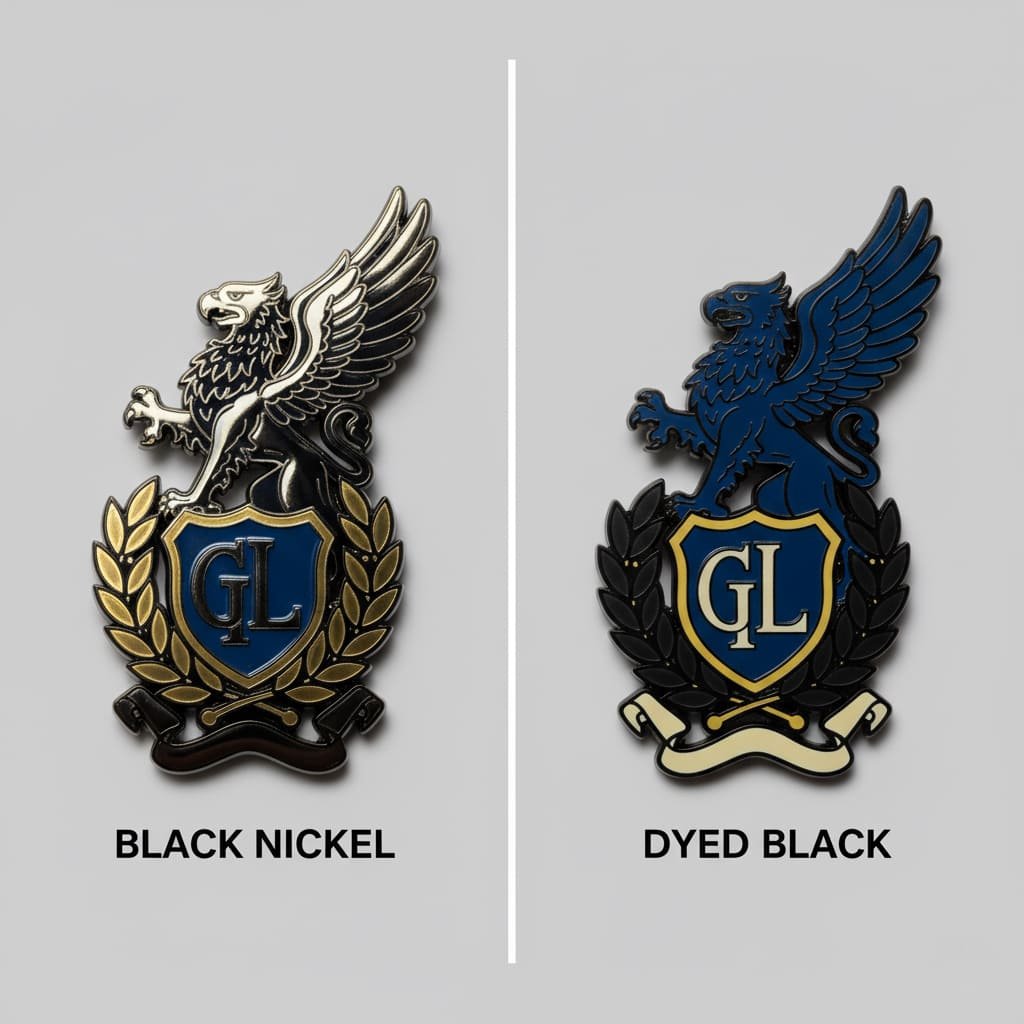
This is one of the most common points of confusion for buyers, so let’s make it perfectly clear. Though they both result in a “black” pin, the look and process are completely different.- Black Nickel Plating is an electroplate. It has a very shiny, highly polished, dark gunmetal finish. It is metallic and reflects light. Think of it as black chrome.
- Пофарбований чорний метал is a powder coating. It results in a true, deep, matte (non-reflective) black finish. It is not metallic and absorbs light.
Dyed Metal: A World of Custom Color
The power of dyed metal goes beyond black. The pin’s metal can be coated to match almost any Pantone (PMS) color—white, red, blue, pink, you name it. This is a powerful design tool that solves a common problem: what if a standard metallic outline would clash with your artwork? A design that is primarily composed of black and white elements, for example, often looks far better with a white or black dyed metal border than it would with a distracting gold or silver line.Rainbow Plating (Anodized): The Ultimate Eye-Catcher
- Appearance: An iridescent, multi-colored, “oil slick” effect where the colors shimmer and shift as the pin moves in the light. No two rainbow-plated pins are exactly alike.
- Процес: This unique finish is achieved through an electrochemical process called anodizing, which alters the surface layer of the metal.
- Найкраще для: Psychedelic art, pride pins, fantasy themes, and any design that needs to be vibrant, unique, and highly collectible.
Beyond Color: Textured and Specialty Finishes
Sometimes, the texture of the metal itself can become a key part of the design, creating subtle, elegant effects that speak to a higher level of craftsmanship.Sandblasting: The Classic Matte Texture
Sandblasting is a technique typically used on die-struck (no enamel) pins to create visual contrast. The recessed areas of the design are blasted with a fine grit, creating a grainy, matte texture. The raised areas are then polished to a high shine. This creates a beautiful, subtle, “tone-on-tone” effect that defines the design without using any color.Brushed Finishes & Satin Effects
Instead of a mirror-like polish, these finishes give the metal a non-reflective, grainy appearance with fine, uniform lines, similar to the surface of high-end stainless steel appliances. This creates a soft luster rather than a bright shine, resulting in a modern, sophisticated, and professional look that minimizes glare.How to Choose the Perfect Plating for Your Brand and Design
With so many options, how do you make the final choice? The best approach is to think strategically. The right plating will not only look good but will also reinforce your brand identity and the purpose of the pin.Strategy 1: Match the Plating to Your Brand Identity
The metal finish communicates a message. Make sure it’s the right one for your brand.- Luxury Brands / Formal Awards: High-polish gold or silver adds a sense of prestige and value.
- Tech Companies / Modern Brands: Black nickel or satin nickel conveys a sleek, innovative, and contemporary feel.
- Artistic / Creative Brands: Rainbow, dyed metal, or copper showcases originality and a unique point of view.
- Organizations with History: Antique finishes create a sense of heritage, tradition, and timelessness.
Strategy 2: Use Plating to Enhance Your Color Palette
Use basic color theory to create a harmonious design. A great plating choice will make your enamel colors look even better.- Gold Plating makes warm colors (reds, oranges) feel richer and dark colors (blue, green) feel more regal.
- Silver/Nickel Plating works with almost anything but truly excels with cool colors (blues, purples, grays).
- Black Metal/Nickel Plating is the undisputed champion for making bright, neon, or pastel colors “pop” with maximum contrast.
- Copper/Bronze Plating harmonizes beautifully with earthy tones like brown, forest green, turquoise, and orange.
Critical Manufacturing Constraints You Must Know
This is an incredibly important, expert-level detail that can save you from costly design mistakes. Not all plating options are compatible with all pin types. The reason comes down to the manufacturing process. The intense, high-heat polishing process required to make Тверда емаль pins smooth is very abrasive. It can destroy more delicate platings. Therefore, Hard Enamel has fewer plating options.Plating Compatibility Table
Use this table as your guide. If you know you want a hard enamel pin, you must choose from the compatible plating options.Plating Compatibility with Enamel Types
| Покриття / обробка | Compatible with Soft Enamel? | Compatible with Hard Enamel? | Reason for Limitation |
|---|---|---|---|
| Shiny Gold, Silver, Nickel | ✓ | ✓ | These are durable electroplates. |
| Чорний нікель | ✓ | ✓ | A durable electroplate. |
| Антикварна обробка | ✓ | немає | The antiquing solution would be damaged or removed by the hard enamel polishing process. |
| Dyed Metal (Any Color) | ✓ | немає | The delicate paint coating would be completely stripped off by the aggressive polishing. |
| Веселка (анодований) | ✓ | немає | The delicate anodized layer would be destroyed by the polishing process. |
Advanced Technique: Dual Plating for a Truly Custom Look
For a truly high-end and unique effect, you can opt for dual plating. This premium process allows two different metal finishes—for example, polished gold and polished silver—to be applied to the same pin. This requires a design with clearly separated metal areas and adds a stunning layer of natural contrast. While it does add to the per-pin cost (often around +$0.75 per pin), the result is an intricate and eye-catching piece that instantly stands out.Frequently Asked Questions About Pin Plating
- Is the plating made of real gold or silver?
- Yes, it is real gold and silver, but it’s an extremely thin layer applied via the electroplating process. The pin is considered high-quality “costume jewelry,” and its value is derived from its design and craftsmanship, not from its raw precious metal content.
- Will the plating wear off over time?
- High-quality plating is very durable and designed for normal use. However, like all plated jewelry, the finish can wear down over many years of heavy, repeated abrasion. Antique finishes are excellent at hiding minor, everyday scratches.
- Can I combine any two platings for a dual-plated pin?
- Generally, you must combine “like with like.” This means you can typically combine two shiny platings (like gold and silver) or two antique platings (like antique gold and antique silver), but you cannot usually combine a shiny finish and an antique finish on the same pin due to the different production processes.
- Which plating option is the most popular?
- Polished gold and polished silver are the timeless classics that are always in high demand. However, in recent years, black nickel and dyed black metal have become extremely popular with modern designers and artists because of the incredible contrast they provide.