
Auksinė taisyklė: į kurią pusę eina atvarto segtukas?
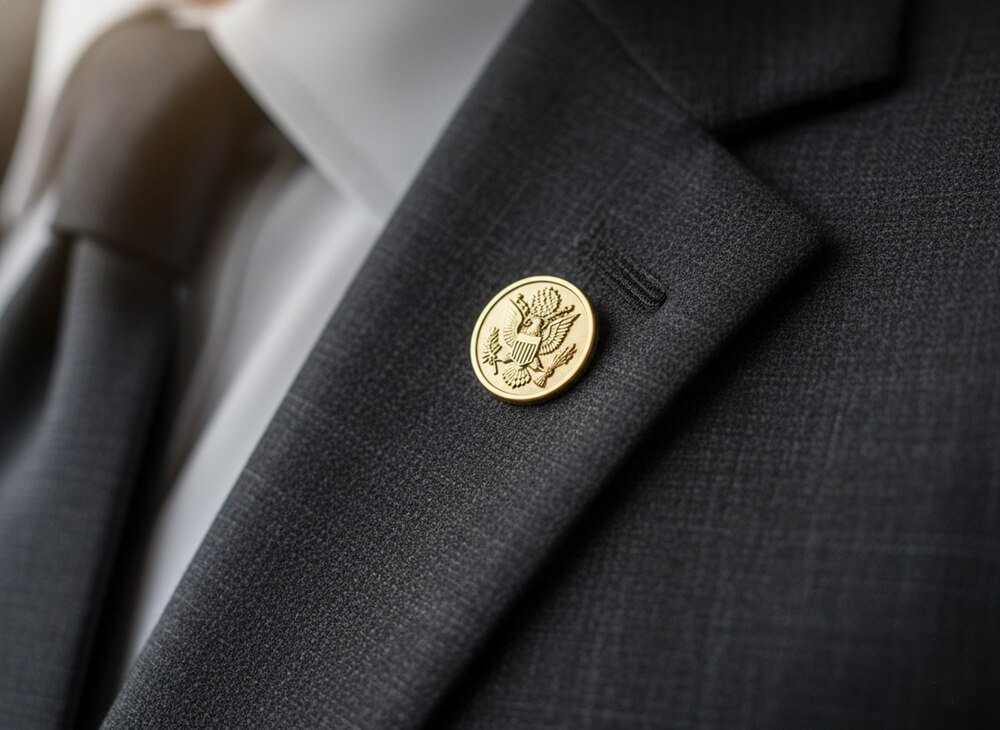
Pradėkime nuo svarbiausio klausimo, kuris atvedė jus čia. Jei nieko daugiau neprisimenate iš šio vadovo, atsiminkite šią vienintelę auksinę taisyklę: Atvarto segtukas visada eina kairėje pusėje.
Vyriškų drabužių ir oficialių drabužių pasaulyje šios taisyklės išimčių yra labai nedaug. Nesvarbu, ar dėvite kostiuminį švarką, švarką, smokingą ar net tik marškinius, segtukas yra jūsų kairėje pusėje. Taip aksesuaras yra virš jūsų širdies. Jei paklaustumėte stiliaus eksperto, karo generolo ar net Anglijos karalienės, jie visi jums pasakytų tą patį: laikykite jį kairėje.
The “Kodėl” Už kairiosios pusės
Jums gali kilti klausimas, kodėl ši tradicija tokia griežta. Ar tai tik savavališkas mados įstatymas? Tiesą sakant, yra praktinių ir simbolinių priežasčių, dėl kurių šis išdėstymas siekia šimtmečius.
- Artumas prie širdies: Istoriškai smeigtukai dažnai buvo ištikimybės šaliai, kariniam daliniui ar meilužiui simboliai. Dėvint šiuos simbolius kairėje, jie yra ant širdies, o tai reiškia nuoširdumą, ištikimybę ir svarbą. Štai kodėl Jungtinių Valstijų vėliavos kodeksas konkrečiai įpareigoja vėliavos smeigtukus nešioti ant kairiojo atlapo, šalia širdies.
- Rankos paspaudimo teorija: Daugumoje kultūrų žmonės spaudžia ranką dešine ranka. Kai ištiesiate dešinę ranką, kad ką nors pasveikintumėte, jūsų kūnas natūraliai šiek tiek pakrypsta. Užsidėjus segtuką ant kairiojo atlapo, jis lieka matomas sveikinančiam žmogui. Jei jis būtų dešinėje, ranka, susikryžiavusi per kūną, gali uždengti smeigtuką rankos paspaudimo metu.
- Vizualinis balansas: Daugumos kostiumų kairėje krūtinės kišenėje yra kvadratas. Uždėjus segtuką ant kairiojo atlapo sukuriamas vieningas židinio taškas vienoje švarko pusėje, o ne chaotiškai išbarstyti aksesuarai ant krūtinės.
Įdėjimo anatomija
Žinant “kairėje pusėje” tai tik pusė mūšio. Taip pat reikia tiksliai žinoti kur kairėje pusėje kaištis sėdi. Jūs neturėtumėte jo tiesiog klijuoti bet kur.
Dauguma kokybiškų kostiuminių švarkų ir švarkų turi specialią sagos skylutę kairiajame atvarte. Tai dažnai vadinama “skylutė sagos skylutė.” Šis plyšys skirtas specialiai gėlėms ar smeigtui. Jei jūsų švarkas turi šią sagos skylutę, jūsų segtukas turėtų būti būtent ten. Jei jūsų švarkas neturi sagos skylutės arba jei skylutė yra užsiūta (dažniausiai šiuolaikiniuose kostiumuose), smeigtuką įdėkite toje pačioje bendroje vietoje.
Gera matavimo taisyklė yra apytiksliai įdėti kaištį 1,5 colio (apie 3–4 cm) žemiau atlapo įpjovos. Jei nesate tikri, pažiūrėkite į krūtinės kišenę; smeigtukas paprastai turi sutapti su tos kišenės viršumi.
Istorinis kontekstas: nuo gėlių iki metalo
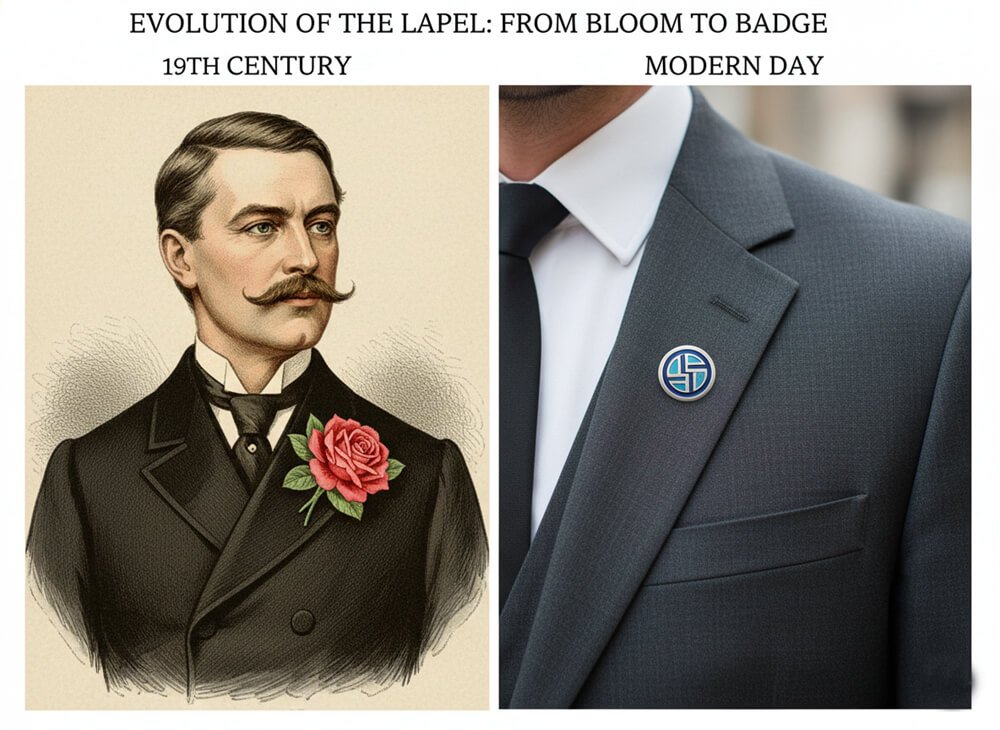
Norėdami suprasti šiandienos etiketą, turime pažvelgti į vakarykštę istoriją. Atvartų segtukai ne visada buvo metalo ir emalio priedai, kuriuos žinome dabar. Jų kilmę galima atsekti iki XIX amžiaus ir boutonnière tradicijų.
Princo Alberto mitas prieš karinę realybę
Apie atlapo sagos kilmę dažnai pasakojama populiari romantiška istorija. Legenda pasakoja, kad savo vestuvių dieną princas Albertas iš karalienės Viktorijos gavo gėlių puokštę. Kad gėlės būtų prie širdies, uniformos atlape išpjovė skylutę ir persmeigė gėles. Nors tai žavinga romantikos istorija, istorikai teigia, kad realybė yra kiek praktiškesnė.
Tikroji kilmė greičiausiai kilusi iš ankstyvųjų karinių uniformų. Šie paltai turėjo aukštas apykakles su sagomis vienoje pusėje ir skylutėmis kitoje, todėl juos buvo galima užsegti iki pat kaklo, kad apsaugotų nuo šalto oro ir šiukšlių. Laikui bėgant, apykaklės susilankstė ir tapo šiuolaikiškomis “atlapas,” liko viršutinė sagos skylutė, nors jau nebeturėjo sagos, prie kurios būtų galima užsisegti. Ši tuščia skylė tapo puikia vieta kareiviams padėti gėles ar smeigtukus, vaizduojančius jų laipsnį ir pulką.
Karinė reikšmė
Karinis ryšys stiprus. Pilietinio karo, Pirmojo pasaulinio karo ir vėliau smeigtukai ir ženkleliai buvo būtini tapatybei nustatyti. Jie žymėjo rangą, konkrečius vienetus ir pasiekimus. Kareiviai nešiojo šiuos žymeklius ant kairės krūtinės, kad iš karto parodytų savo statusą. Ši karinė tradicija rodyti garbę ir rangą kairėje pusėje padarė didelę įtaką civilinei madai, įtvirtindama taisyklę, kad svarbūs simboliai priklauso virš širdies.
Šiuolaikinė evoliucija
Greitai persikeliame į XX ir XXI amžių, o atlapo segtukas išsivystė. Iš išskirtinės aristokratijos ir kariuomenės srities ji perėjo į politiką ir verslą. Politikai pradėjo nešioti vėliavų smeigtukus, reikšdami patriotizmą. Įmonės sukūrė firminius smeigtukus, kad sukurtų įmonės kultūrą. Šiandien smeigtukai yra universalus aksesuaras, naudojamas viskam – nuo labdaros rėmimo iki meilės demonstravimo mėgstamai grupei ar sporto komandai.
Taisyklės išimtys: kada galima nešioti segtuką dešinėje?

Nustatėme, kad kairioji pusė yra “Auksinė taisyklė.” Bet ar yra atvejų, kai galite jį sulaužyti? Griežto etiketo pasaulyje atsakymas paprastai yra ne. Tačiau asmeninio stiliaus ir šiuolaikinės mados pasaulyje yra šiek tiek daugiau judėjimo erdvės.
Mados pareiškimai
Jei esate avangardinės mados scenos dalis arba rengiatės itin kūrybingai aplinkai, galite pasirinkti segtuką ant dešiniojo atlapo vien tam, kad būtumėte griaunami. Susitarimų laužymas pats savaime gali būti stiliaus teiginys. Tačiau darykite tai atsargiai – neįgudusiai akiai tai gali atrodyti kaip klaida, o ne drąsus pasirinkimas.
Vardo žymų konfliktas
Vyksta nuolatinės diskusijos dėl tinklų renginių. Kai kurie teoretikai teigia, kad vardų etiketes reikia nešioti dešinėje pusėje. Logika tokia, kad paspaudus ranką jūsų dešinysis petys pasislenka į priekį, todėl vardo etiketė patenka į asmens, su kuriuo sveikinatės, akiratį. Pagal šį konkretų scenarijų, jei nešiojate vardo etiketę dešinėje, atvarto segtuką turite laikyti kairėje, kad netrukdytų viena kūno pusė. Niekada nedėkite atvarto segtuko dešinėje, kad subalansuotumėte vardo žymą kairėje; smeigtuko padėtis yra aukštesnė už vardo žymą.
Specifinės kultūros tradicijos
Kartais tam tikros kultūrinės ceremonijos ar religinės tradicijos gali nulemti apeiginių daiktų išdėstymą dešinėje pusėje. Be to, tam tikri kariniai ordinai ar specializuotos regalijos turi griežtus vienodus kodus, pagal kuriuos dešinėje gali būti dedami konkretūs medaliai. Jei esate tokios organizacijos dalis, jų vienodas kodas visada pranoksta bendrą mados etiketą.
Išsamus vadovas: Kaip segėti atvartą ant skirtingų drabužių
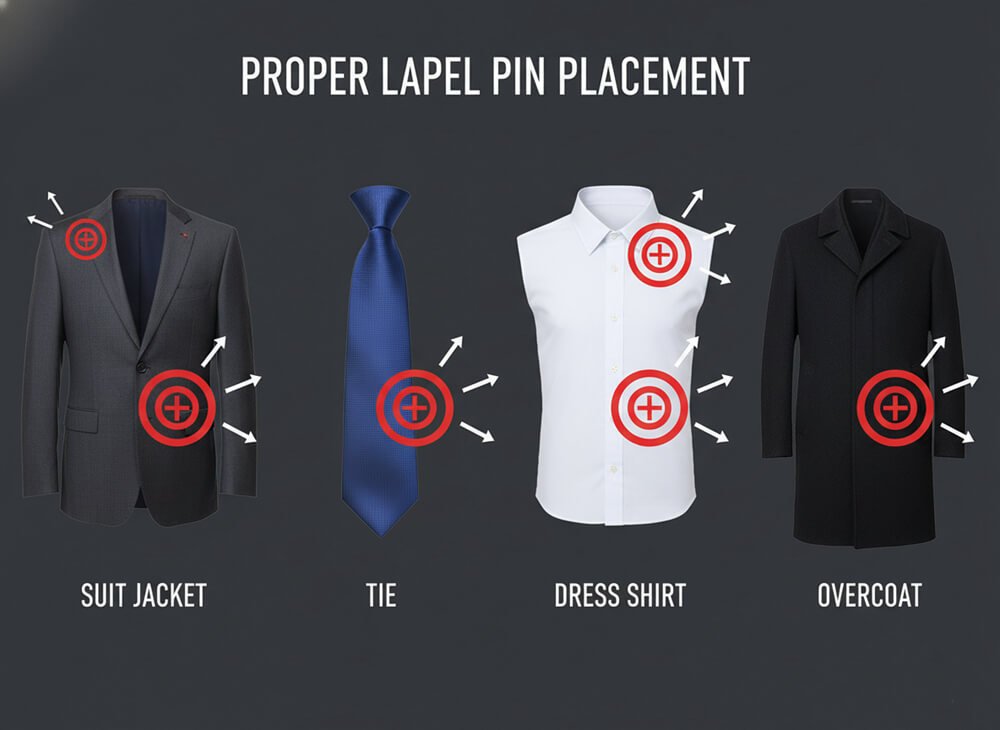
Atvartų segtukai yra universalūs. Nors jie dažniausiai būna ant kostiumo, galite juos dėvėti ant įvairių drabužių. Čia yra žingsnis po žingsnio paaiškinimas, kaip tinkamai juos pritvirtinti prie skirtingų drabužių spintos daiktų.
1. Ant kostiuminio švarko ar švarko
Tai yra labiausiai paplitęs naudojimo atvejis. Jei jūsų švarkas turi veikiančią sagos skylutę:
- Suraskite sagos skylutę kairiajame atvarte.
- Įkiškite kaiščio kotą per priekinę skylės dalį.
- Užpakalinėje atvarto pusėje šiek tiek pakreipkite smeigtuką žemyn, kad jis būtų tiesiai priekyje.
- Pritvirtinkite jį atraminiu užsegimu.
The “Stick Pin” Diskusija: Jei dėvite ilgo koto segtuką (dažniausiai su gėlių raštais), turite pasirinkimą. Tradicionalistai mieliau stumia adatą atgal per audinį, kad smaigalys būtų paslėptas už atlapo. Tačiau šiuolaikiškesnė, įtemptesnė išvaizda reiškia, kad adata įveriama per priekinę dalį, o paskui vėl ištraukiama į priekį, todėl aštrus taškas (ir jo apsauginis dangtelis) yra matomas atlapo išorėje.
2. Ant kaklaraiščio
Jei nevilkite švarko, galite užsisegti segtuką ant kaklaraiščio. Tačiau dažniausiai a “kaklaraištis” arba “kaklaraiščio segtukas” čia teikiama pirmenybė. Jei pasirinksite smeigtuką, padėkite jį kaklaraiščio centre, maždaug prie viršutinio trečdalio (aplink krūtinės raumenį).
Svarbus patarimas: Niekada nenešiokite segtuko ant kaklaraiščio IR smeigtuko ant švarko vienu metu. Tai sukuria vizualinę netvarką. Pasirinkite vieną.
3. Ant marškinėlių
Nešioti segtuką tiesiai ant marškinių yra mažiau formalu, bet priimtina kasdienėje verslo aplinkoje. Kadangi nėra atlapo, įsivaizduokite, kur kairėje pusėje būtų kišenė prie krūtinės. Padėkite smeigtuką ten, virš širdies. Jei mėgstate nuotykius su labai mažu segtuku, galite jį uždėti ant marškinių apykaklės galo, nors tai labai specifinė tendencija.
4. Ant paltų ir viršutinių drabužių
Sunkesni paltai, tokie kaip žirnių paltai ar tranšėjos paltai, turi platesnius, storesnius atlapus. Tai puikus nekilnojamasis turtas didesniems segtukams, kurie ant puikaus kostiumo gali atrodyti per sunkūs. Vieta išlieka ta pati: aukštai kairiajame atlape. Kadangi audinys yra storesnis, įsitikinkite, kad jūsų smeigtukas turi tvirtą, aštrų stulpelį, kad įsiskverbtų į medžiagą nesulenkdamas.
Lyčių skirtumai: vyrai prieš moteris

Ar yra “Kairiosios pusės taisyklė” tik vyrams? Paprastai tariant, taip, griežtos siuvimo taisyklės galioja daugiausia vyriškiems drabužiams. Tačiau šiuolaikiniame profesionaliame pasaulyje linijos neryškios.
Vyrų etiketas
Vyrams taisyklės yra griežtos. Nesvarbu, ar tai verslo susitikimas, ar vestuvės, kairysis atvartas yra vienintelis teisingas atsakymas. Smeigtukas beveik visada įkišamas per sagos skylutę, jei tokia yra.
Moterų etiketas
Moterys istoriškai turėjo daugiau laisvės dėti papuošalus, dažnai segėdamos sages, o ne seges. Teoriškai sagę galima nešioti iš abiejų pusių ar net iškirptės centre. Tačiau už profesionalūs atvartų segtukai (pvz., įmonės logotipas, tarnavimo metų smeigtukas ar vėliavos smeigtukas), standartinis verslo etiketas galioja ir moterims: dėvėkite jį kairėje.
Tai sukuria vienodumą įmonės aplinkoje. Jei moteris dėvi švarką, smeigtukas eina ant kairiojo atlapo. Jei ji dėvi suknelę ar palaidinę be apykaklės, smeigtuką reikia dėti kairėje krūtinės pusėje, maždaug ten, kur būtų kišenė. Moterys taip pat turi stilingą galimybę kaklaskarėms ar skaroms pritvirtinti smeigtukais, todėl galima funkcionaliai išdėstyti, kas gali nukrypti nuo standartinės kairės pusės taisyklės.
Atvarto segtukų tipų enciklopedija
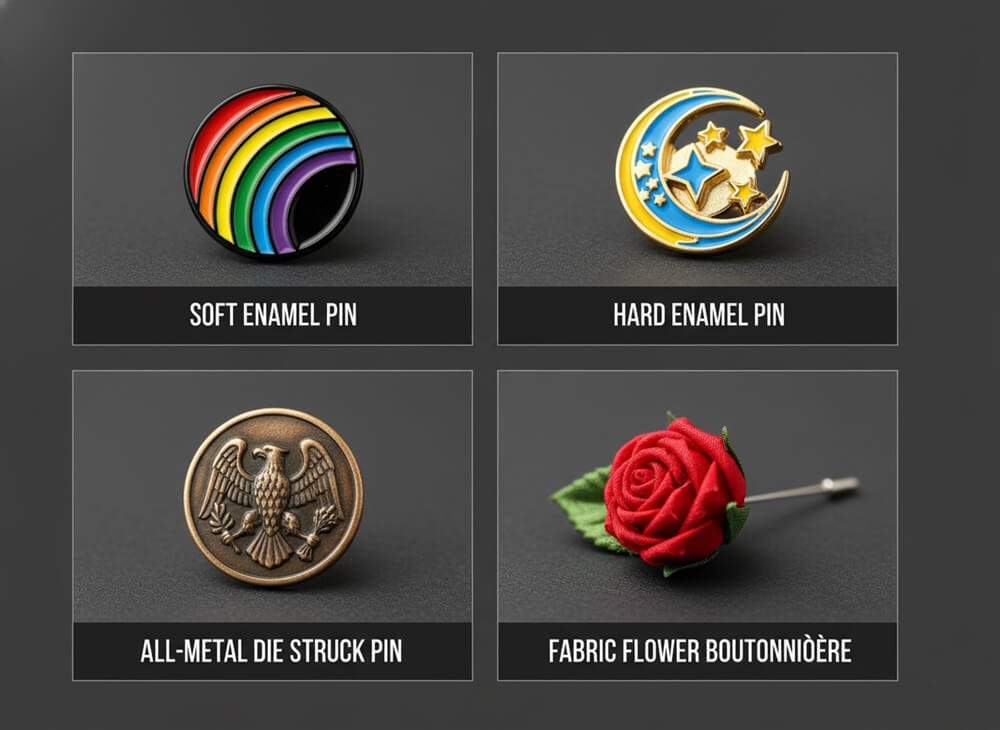
Ne visi kaiščiai yra vienodi. Gamybos procesas lemia smeigtuko išvaizdą, pojūtį ir tinkamą progą. Čia pateikiamas dažniausiai pasitaikančių tipų suskirstymas.
| Smeigtuko tipas | Charakteristikos | Geriausia proga |
|---|---|---|
| Kietas emalis (Cloisonné) | Lygi, poliruota, stiklą primenanti apdaila. Emalis yra viename lygyje su metalinėmis linijomis. Didelis patvarumas ir papuošalų kokybės išvaizda. | Įmonės prekės ženklas, aukščiausios klasės pripažinimas, oficialūs renginiai. |
| Minkštas emalis | Tekstūruotas paviršius, kuriame metalinės linijos yra pakeltos, o emalio dažai yra žemiau. Siūlo 3D išvaizdą. Ryškios spalvos. | Sportiniai prekybos smeigtukai, kasdieninė mada, meninis dizainas, dovanos. |
| Struckas | Visas metalas be spalvos užpildo. Pasižymi iškiliais, poliruotais paviršiais ir įdubusiu, tekstūruotu fonu (dažnai smėliasrove). Klasikinis ir elegantiškas. | Ilgamečiai tarnybos apdovanojimai, teisinės/valstybinės profesijos, subtilus prekės ženklas. |
| Ofsetinė spauda | Dizainas spausdinamas tiesiai ant metalo, dažnai leidžiant gradientus ir nuotraukas. Apsaugai padengtas skaidriu epoksidiniu kupolu. | Sudėtingų logotipų, nuotraukų ar dizaino su specifiniais spalvų gradientais atkūrimas. |
| Smeigtukai | Ilga, plona adata su dekoratyvine galvute (metaline arba vintažinio stiliaus) ir dangteliu apačioje. | Vestuvės, vintažinė mada, kaklaskarių tvirtinimas. |
| Sagų skylutės | Tikros arba medžiaginės (šilko/medvilnės) gėlės. | Vestuvės, išleistuvės, sodo vakarėliai. |
Atvarto segtuko etiketo ir stiliaus patarimai
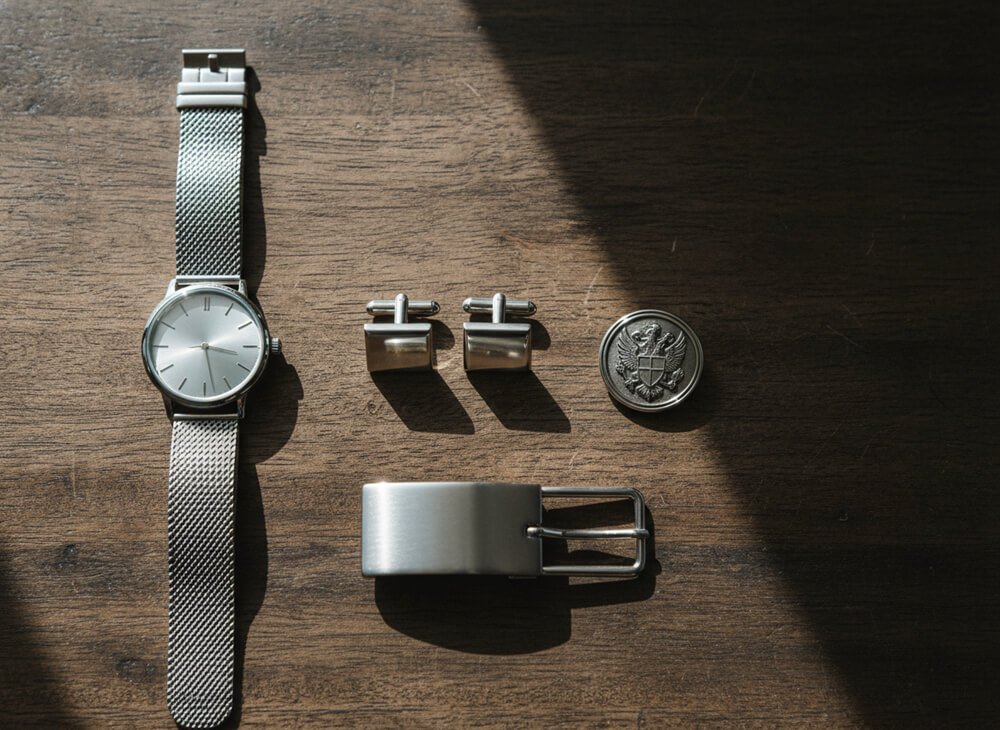
Smeigtuko nešiojimas teisingoje pusėje yra pirmasis žingsnis. Antras žingsnis – formuokite jį taip, kad jis pagerintų jūsų aprangą, o ne atitrauktų nuo jos dėmesį.
1. Suderinkite savo metalus
Tai subtili detalė, skirianti gerai apsirengusią nuo netvarkingo. Jei dėvite sidabrinį laikrodį, sidabrines sąsagas ir diržą su sidabrine sagtimi, atlapo segtukas taip pat turi būti sidabrinis (arba sidabro atspalvio). Maišydami auksinius ir sidabrinius aksesuarus galite sukurti nevienodą vaizdą. Siekite, kad jūsų apranga būtų vienoda.
2. Spalvų derinimas
Elkitės su savo smeigtuku taip, kaip su kaklaraiščiu ar kišenės kvadratu.
Toninis: Norėdami atrodyti rafinuotai, rinkitės smeigtuką iš tos pačios spalvų šeimos kaip ir kostiumas (pvz., tamsiai mėlynos spalvos emaliuotas segtukas ant mėlyno švarkelio).
Kontrastas: Kad smeigtukas išryškėtų, naudokite spalvų ratą. Raudonas segtukas ant tamsiai mėlyno kostiumo arba žalia smeigtukas ant pilko kostiumo sukuria malonų kontrastą.
Venkite susidūrimo: Jei jūsų kaklaraištis yra įtempto rašto, smeigtukas turi būti paprastas ir subtilus. Jei kaklaraištis tvirtas, galite apsieiti su spalvingesniu ar sudėtingesniu segtuku.
3. Dydis ir proporcija
Svarbu dydis. Per didelis smeigtukas atrodo kaip karnavalo prizas; per mažas smeigtukas pasimeta. Idealus standartinio segtuko dydis yra maždaug 0,75–1 colio. Ji turėtų patogiai sėdėti ant atlapo, nekabinti per kraštus. Jei dėvite didelę boutonnière gėlę, įsitikinkite, kad jūsų atvartas yra pakankamai platus, kad jį vizualiai paremtų.
4. Po vieną
Formaliems ir verslo nustatymams taikoma taisyklė – po vieną kaištį. Dėvint kelis smeigtukus gali atrodyti netvarkingai ir netvarkingai. Šios taisyklės išimtis taikoma tam tikroms subkultūroms (pvz., punk ar gatvės aprangai), kur džinsinio švarko segtukai yra specifinio stiliaus, arba karinėse situacijose, kai uždirbamos ir rodomos kelios juostelės ir ženkleliai.
Konkretūs naudojimo atvejai: ne tik mada
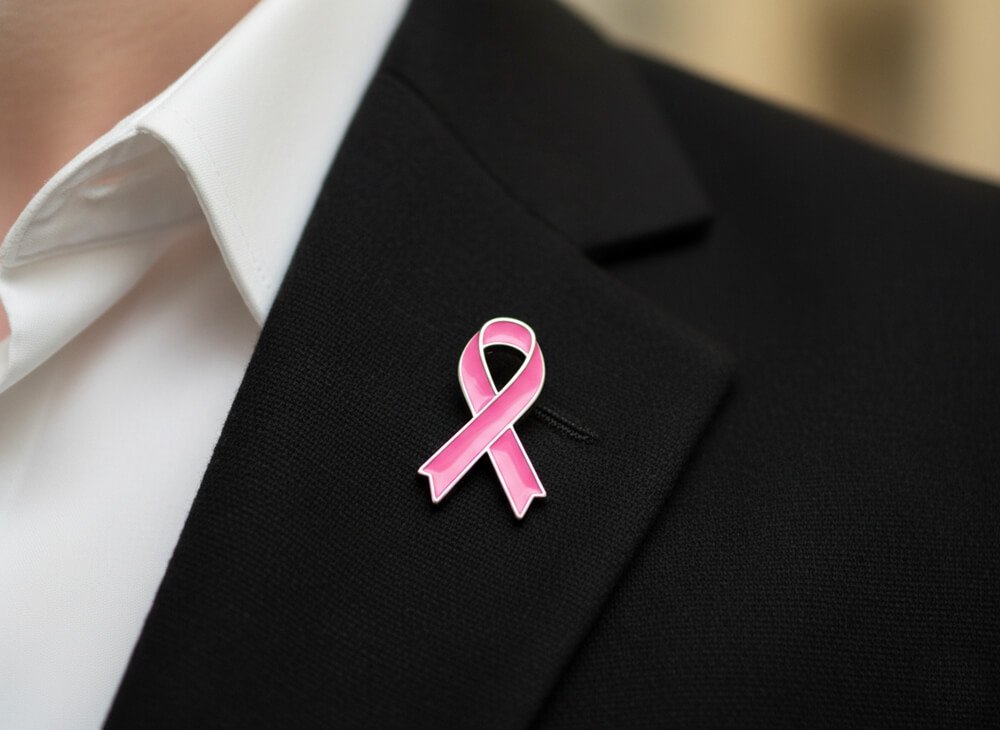
Atvartų segtukai dažnai yra ne tik puošmena; jie yra bendravimo įrankiai.
- Darbuotojo pripažinimas: Įmonės dažnai naudoja smeigtukus kadencijai žymėti (5 metų, 10 metų smeigtukai). Jie turėtų būti dėvimi ant kairiojo atvarto darbo valandomis arba vykdant įmonės funkcijas, kad būtų sukurta nuotaika ir parodytas statusas.
- Patriotizmas: Vėliavos smeigtukai yra visur politikoje. Pagal JAV vėliavos kodeksą vėliavos smeigtukas laikomas gyvos vėliavos kopija ir turi būti nešiojamas prie širdies (kairėje pusėje), vertikaliai ir niekada neapverstas.
- Informuotumas: Kaspinėliai (rožiniai – krūties vėžiui, raudoni – AIDS informavimui, galvosūkiai – autizmui) rodo solidarumą. Nešiojant juos kairėje, jie bus nedelsiant pastebėti bendraujant akis į akį.
- Prekybos smeigtukai: Jaunimo sporte, ypač beisbole ir softbole, komandos keičiasi dideliais, įmantriais smeigtukais (dažnai su blyksniais ar suktukais). Tai mažiau apie oficialią aprangą, o daugiau apie kolekcionavimą, dažnai rodoma ant krepšių ar dirželių, o ne ant atlapų.
Smeigtukų priežiūra ir priežiūra
Kad smeigtukai atrodytų aštrūs ilgus metus, reikia šiek tiek priežiūros.
- Saugykla: Nemeskite jų tik į stalčių, kur emalį gali subraižyti kiti raktai ar monetos. Laikykite juos papuošalų dėžutėje arba padėkite ant kamštinės lentos ar pakabinamos reklamjuostės.
- Valymas: Metaliniams kaiščiams paprastai pakanka minkštos mikropluošto šluostės pirštų atspaudams nuvalyti. Jei turite suteptus sidabrinius smeigtukus, specializuotas sidabro poliravimo audinys daro stebuklus. Venkite stiprių cheminių medžiagų ant kieto emalio, nes tai gali išblukinti blizgesį.
- Prevencija: Visada nuimkite smeigtuką prieš siųsdami kostiumą į cheminę valyklą. Cheminės medžiagos ir mechanizmai gali sugadinti segtuką arba kaištis gali užkliūti ir suplėšyti kostiumo audinį. Be to, reguliariai tikrinkite galinį užsegimą (drugelio sankabą), kad įsitikintumėte, jog jis tvirtas; Jei jis jaučiasi laisvas, pakeiskite jį gumine sankaba arba fiksuojančia prabangia sankaba, kad nepamestumėte kaiščio.
Dažnai užduodami klausimai
1. Ar galiu kada nors segėti atvarto segtuką dešinėje pusėje?Apskritai, ne. Formaliame, verslo ir kariniame kontekste kairioji pusė yra privaloma. Galite pamatyti jį dešinėje labai specifiniuose avangardinės mados scenarijuose, tačiau tai laikoma netinkamu standartinio dėvėjimo etiketu.
2. Ar galiu vienu metu nešioti kišeninį kvadratą ir segtuką?absoliučiai. Tiesą sakant, jie puikiai papildo vienas kitą. Tiesiog įsitikinkite, kad jie nesusikerta. Jei turite raštuotą kišeninį kvadratą, rinkitės paprastą metalinį kaištį. Jei turite drąsų, spalvingą smeigtuką, laikykite kišenę baltos arba neutralios.
3. Ar smeigtukas turi eiti per sagos skylutę?Jei jūsų švarkas turi funkcinę sagos skylutę, taip, tai geriausia vieta. Jei skylė užsiūta (neveikia), galite ją prisegti tiesiai virš skylės viršaus. Jei skylės visai nėra, tiesiog prisukite ją ten, kur yra skylė būtų būti.
4. Kuo skiriasi boutonnière ir atlapo segtukas?Boutonnière yra gyvų (arba dirbtinių) gėlių kompozicija, dėvima ant atlapo, paprastai skirta labai oficialiems renginiams, pavyzdžiui, vestuvėms ar išleistuvėms. Atvarto segtukas paprastai yra pagamintas iš metalo, emalio arba audinio ir gali būti dėvimas verslo, pusiau oficialių ar net atsitiktinių renginių metu.
5. Ar moterys gali nešioti segtukus?Taip. Nors istoriškai siejama su vyriškais kostiumais, moterys verslo aplinkoje dažnai nešioja segtukus. Vieta išlieka ta pati: kairėje pusėje, ar ant švarkelio atlapo, ar ant palaidinės.
6. Kaip sustabdyti, kad smeigtukas nesisuktų aukštyn kojomis?Tai dažnas susierzinimas. Norėdami tai pataisyti, galite ieškoti kaiščių su dviem stulpeliais gale (dažnai naudojami didesniems kaiščiams), kurie neleidžia suktis. Arba galite uždėti nedidelį dvipusės juostos gabalėlį ant smeigtuko galo prieš pritvirtindami jį prie audinio.
Išvada
Atvarto segtukas yra nedidelis aksesuaras, tačiau jo poveikis neabejotinas. Tai linktelėjimas istorijai, pagarbos ženklas ir asmeninio stiliaus blyksnis vienodų kostiumų jūroje. Nors mada dažnai yra taisyklių laužymas, atlapo segtukas yra viena iš sričių, kurioje karaliauja tradicijos. Jei abejojate, visada atsiminkite: Kairėje pusėje, virš širdies.
Nesvarbu, ar pagerbiate veteraną, ar švenčiate vestuves su gėle, ar atstovaujate savo įmonę su firminiu logotipu, teisingas segtuko nešiojimas rodo, kad atkreipiate dėmesį į smulkmenas. Tai rodo, kad rūpinatės savo išvaizda ir suprantate progos etiketą.