
Defining the Materials: The Science Behind the Accessory
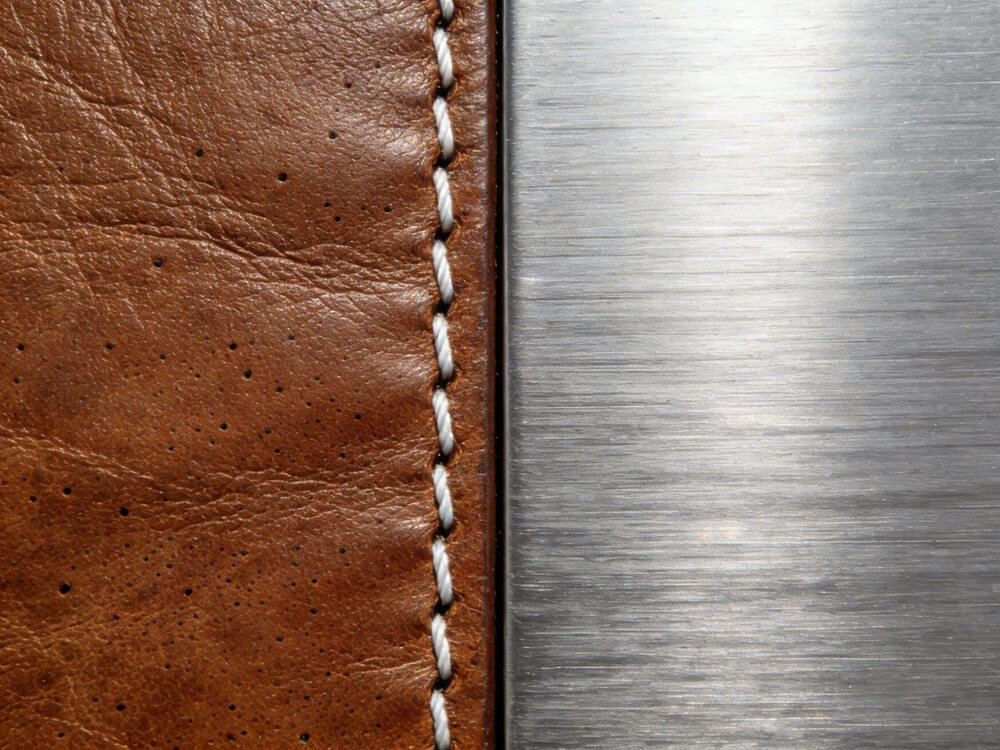
To understand which keychain is better, we have to look at what they are made of. Not all “metal” is strong, and not all “leather” is real. Understanding the grades of these materials is the first step in making a smart purchase.
The Metal Spectrum
Metal keychains are often prized for their “industrial” feel. They are perceived as tough and unyielding. However, the type of metal used determines how well it will resist rust and scratches.
- Stainless Steel: The heavy-weight champion. It is highly resistant to corrosion and mechanical stress. It won’t bend even if you accidentally step on it.
- Zink Legierung: Extremely popular for “creative” shapes. If your keychain is shaped like a mini car engine, a dog, or a logo, it is likely zinc. It is easy to mold but can be brittle compared to steel.
- Aluminum: Bekannt fir onheemlech liicht. Et rust net, awer et ass e méi mëllt Metall, dat heescht datt et méi déif Kratzer méi liicht weist wéi Stol.
- Messing: Dëst Metal bitt e klassesche, gëllenen Téin. Et ass schwéier a fest, awer et wäert eng entwéckelen “verschwannen” mat der Zäit, gëtt et en antike Look.
Lieder Hierarchie
Lieder ass en organescht Material dat eng taktile Erfahrung bitt déi Metall net matenee passen. Et fillt sech waarm beim Touch a wächst “méi mëll” am Zäitoflaf. Awer Dir musst oppassen op d'Qualitéitsgraden.
- Vollkornleder: Dëst ass déi héchst Qualitéit. Et benotzt déi ganz Haut, hält déi natierlech Zähegkeet a Getreide. Dëst ass d'Material dat eng déif, schéin entwéckelt patina.
- Top-Grain Lieder: Slightly thinner than full-grain, it is more flexible and often has a very smooth finish.
- PU (Synthetic) Leather: This is essentially plastic designed to look like leather. It is very affordable and comes in many colors, but it does not age well. After a year, it often begins to peel and crack.
- Vegetable-Tanned Leather: A process that uses natural plant tannins. This leather is favored by artisans because it is eco-friendly and changes color beautifully as it reacts to sunlight and skin oils.
| Fonktioun | Metal Keychains | Leather Keychains |
|---|---|---|
| Common Alloys/Hides | Stainless Steel, Zinc Alloy, Brass, Aluminum | Cowhide, Sheepskin, Vegetable-Tanned, PU |
| Tactile Sensation | Cold, Hard, Smooth | Warm, Supple, Textured |
| Gewiicht Profil | Heavier and more substantial | Lightweight and easy-to-carry |
| Aesthetic Growth | Statesch (bleift d'selwecht oder kraazt) | Dynamic (entwéckelt eng eenzegaarteg Patina) |
Haltbarkeet a Longevity: D'Schluecht vun der Zäit
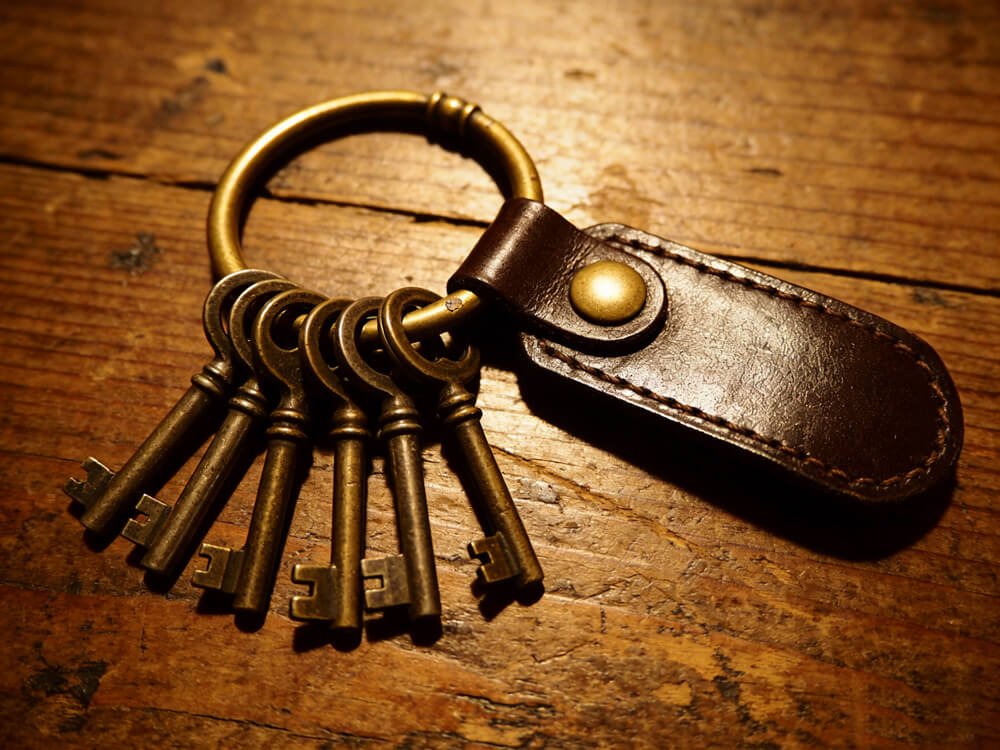
Wann Dir frot wéi eng Keychain méi laang dauert, hänkt d'Äntwert vun Ärem Ëmfeld of. An engem Labo Test gewënnt Metal normalerweis op Matière Kraaft. Mä an der real Welt, der Definitioun vun “dauerhafter” enthält eng laang Zäit gutt ausgesinn.
D'Festung vum Metal
Metal Keychains si bal onverständlech wat d'Struktur ugeet. Laut Industrie Schätzungen kann eng héichqualitativ Edelstahl-Schlësselhanger ganz einfach daueren 15 bis 20 Joer. Et degradéiert net an der Sonn, et ass egal ob et naass gëtt, an et kann dausende Mol op Beton gefall sinn. Wéi och ëmmer, Metal ass ufälleg fir “kosmetesch Middegkeet.” Mat der Zäit wäert déi poléiert Uewerfläch an Dausende vu klenge Kratzer bedeckt ginn. Wann et e plated Metal ass (wéi eng goldfaarweg Beschichtung iwwer Zink), kann dës Beschichtung ofschneiden, an e méi däischter Metal ënnerzeweisen.
D'Gnod vu Lieder
Lieder ass elastesch awer erfuerdert méi Respekt. A Premium Vollkorn Lieder Keychain dauert typesch tëscht 5 an 10 Joer. Am Géigesaz zu Metall, dat méi ellent gëtt wéi et kraazt, absorbéiert d'Lieder Schued. Kleng Scuffs vermëschen dacks an d'Lieder Textur. Déi natierlech Ueleger aus Ären Hänn handelen als Conditioner, hält se flexibel. Wéi och ëmmer, Lieder huet natierlech Feinde: Feuchtigkeit an extremer Hëtzt. Wann eng Lieder Keychain stänneg am Reen getrocknegt gëtt an dann op engem Heizung getrocknegt gëtt, gëtt se brécheg a schliisslech knacken.
| Lifespan Category | Metal Keychains | Leather Keychains | PU/Synthetic Keychains |
|---|---|---|---|
| Estimated Years | 10 – 20+ Years | 5 – 10 Years | 1 – 3 Years |
| Primary Failure Mode | Spring/Clasp failure or rust | Cracking or stitching rot | Peeling and surface flaking |
| Repairability | Low (hard to fix a broken weld) | High (can be re-stitched) | Zero (must be replaced) |
Aesthetics and Personal Style: “Quiet Luxury” vs. Industrial Edge
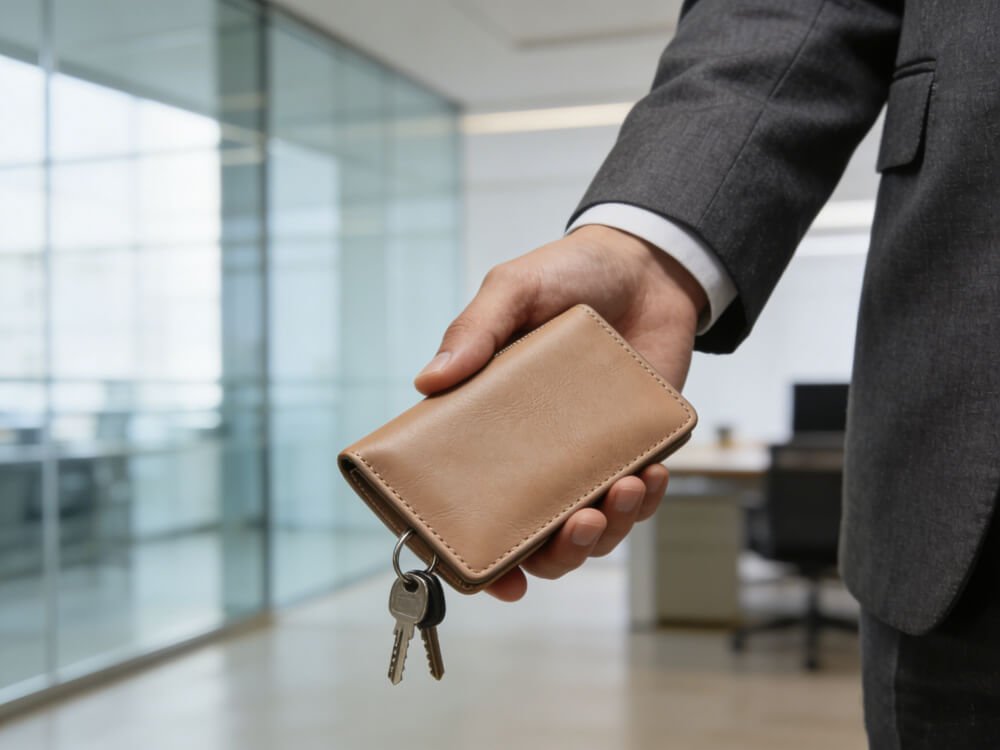
Fashion trends in 2026 are moving away from loud, flashy accessories. The rise of “Quiet Luxury” has brought leather back into the spotlight. Leather keychains exude an air of sophistication and craftsmanship that metal often struggles to match. They feel like an intentional choice rather than a utilitarian one.
Leather: The Timeless Professional
Leather keychains are often favored by people who want their accessories to match their professional wardrobe. A dark brown or black leather strap looks perfect alongside a leather belt, a luxury watch, or a designer handbag. Leather is “warm” an “organic.” It tells a story of the user. Because every piece of leather ages differently, your keychain becomes a one-of-a-kind item over time. This emotional durability is why many people are willing to pay more for leather.
Metal: The Industrial Minimalist
On the flip side, metal is the go-to for the industrial minimalist. If you appreciate clean lines, high-tech gadgets, and a “tough” look, metal is king. There is a certain satisfaction in the weight and coldness of a precision-machined piece of steel. Metal keychains also allow for 3D creative designs that leather cannot achieve. For example, car enthusiasts often love keychains shaped like turbos, brake discs, or gear shifters. These items are conversation pieces that show off a specific hobby or interest.
“A metal keychain says you value utility and modern design. A leather keychain says you value tradition and tactile comfort.”
Practicality and Daily Carry: The “Screen-Scratcher” Problem
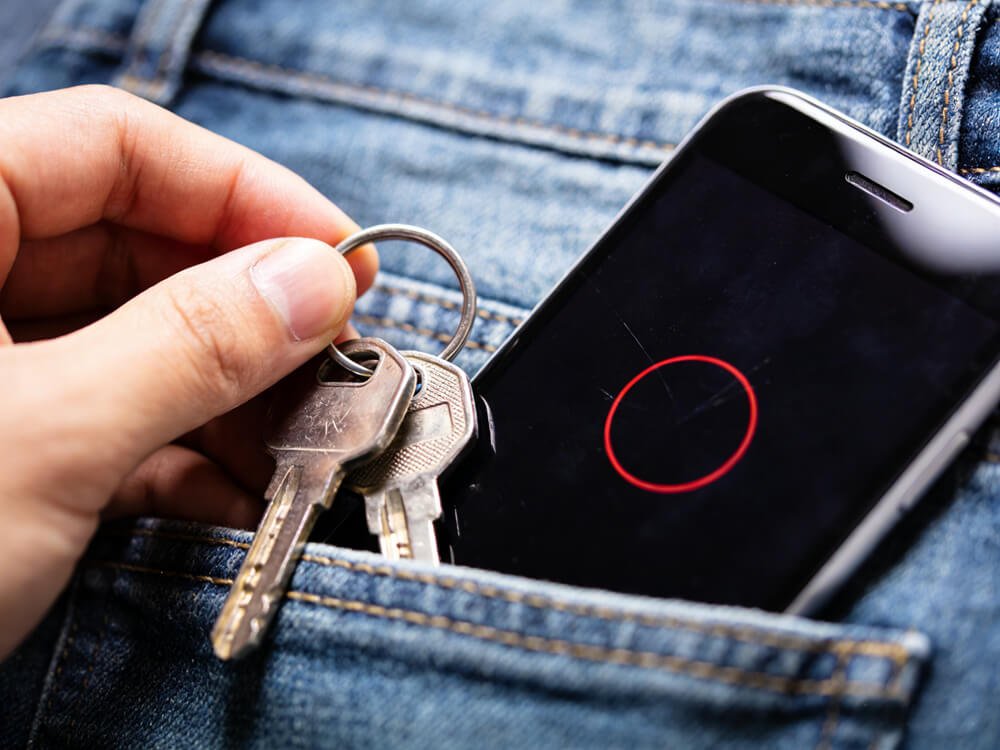
Practicality is where the leather vs. metal debate gets very real. When you carry keys every day, you aren’t just carrying keys—you are carrying them alongside your most expensive belongings, like your smartphone.
Protecting Your Phone and Pockets
Metal is hard and sharp. If you toss your keys into a bag or a pocket with your phone, a metal keychain charm can easily leave deep scratches on your screen or camera lens. Leather is a natural “softener.” It acts as a buffer between your sharp keys and your phone. Furthermore, metal keychains are notorious for wearing holes into the seams of your favorite jeans. Leather is gentle on fabric, meaning your pockets will last longer.
The Sound of Silence
One of the biggest complaints about metal keychains is the noise. The constant “clink-clink” while you are walking can be annoying to you and those around you. Leather keychains provide an acoustic benefit. They dampen the sound of the metal keys hitting each other. For someone who works in a quiet office or wants to be discreet, the silent carry of a leather loop is a massive practical upgrade.
| Practical Concern | Metal Keychain Effect | Leather Keychain Effect |
|---|---|---|
| Noise/Jingling | Loud and constant | Muted and quiet |
| Phone Screen Safety | Risky (can scratch glass) | Safe (soft buffer) |
| Pocket Wear | Can fray seams over time | Gentle on fabrics |
| Temperature Feel | Gets very cold or very hot | Stays neutral and comfortable |
The Automotive Angle: Protecting Your Dash and Ignition
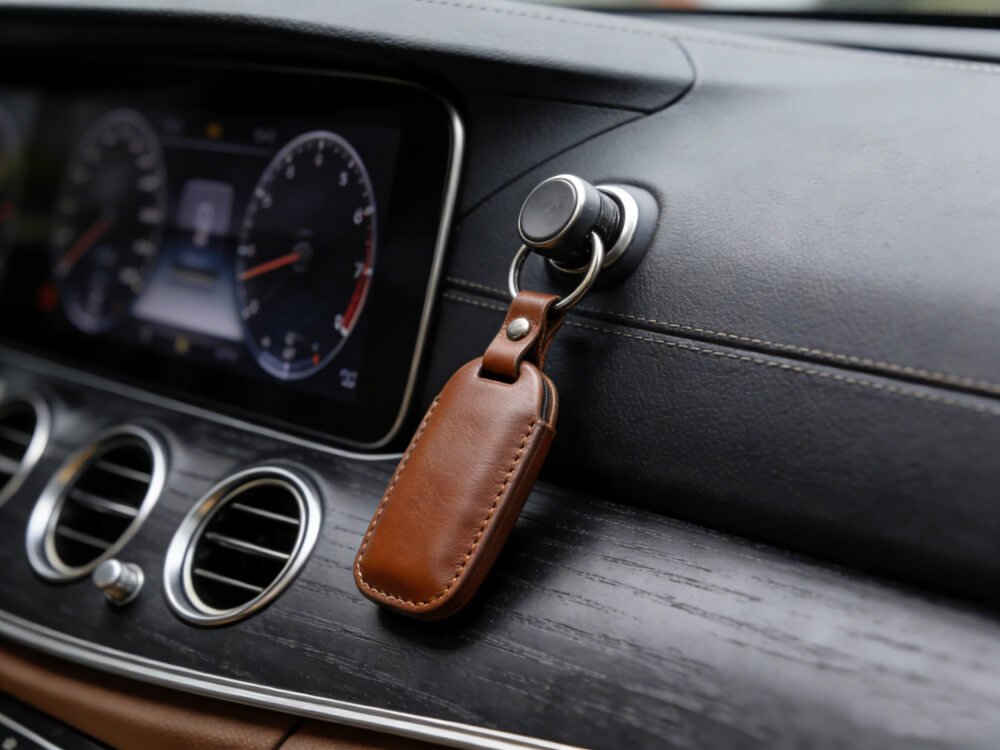
If you are a driver, your keychain choice can actually save you money on car repairs. Most people don’t think about the physics of their keys hanging while they drive.
Dashboard Safety
Modern car interiors often use polished plastic or soft-touch materials. A heavy metal keychain swinging back and forth as you drive acts like a tiny wrecking ball. Over several years, it can create a “cloud” of scratches around your ignition area. Leather is soft and won’t mar the surface of your dashboard, keeping your car’s resale value higher.
Ignition Switch Stress
Mechanics have long warned that heavy keychains are bad for cars. The weight of many keys plus a heavy metal fob puts constant tensile stress on the ignition cylinder. This can cause the internal parts to wear out prematurely. Switching to a lightweight leather strap or a soft fob reduces this weight significantly, helping to protect your vehicle’s mechanical health.
The 4-Cylinder Engine Alternative
For those who love the “cool factor” of metal but want to avoid the weight and scratches, some enthusiasts are turning to PLA plastic alternatives. For example, a “moving piston” engine keychain made of plastic offers the fun of a mechanical toy without the heavy weight of solid metal. It is a creative middle ground that is gaining popularity in the car scene.
Maintenance and Care: How to Make Your Accessory Last Decades
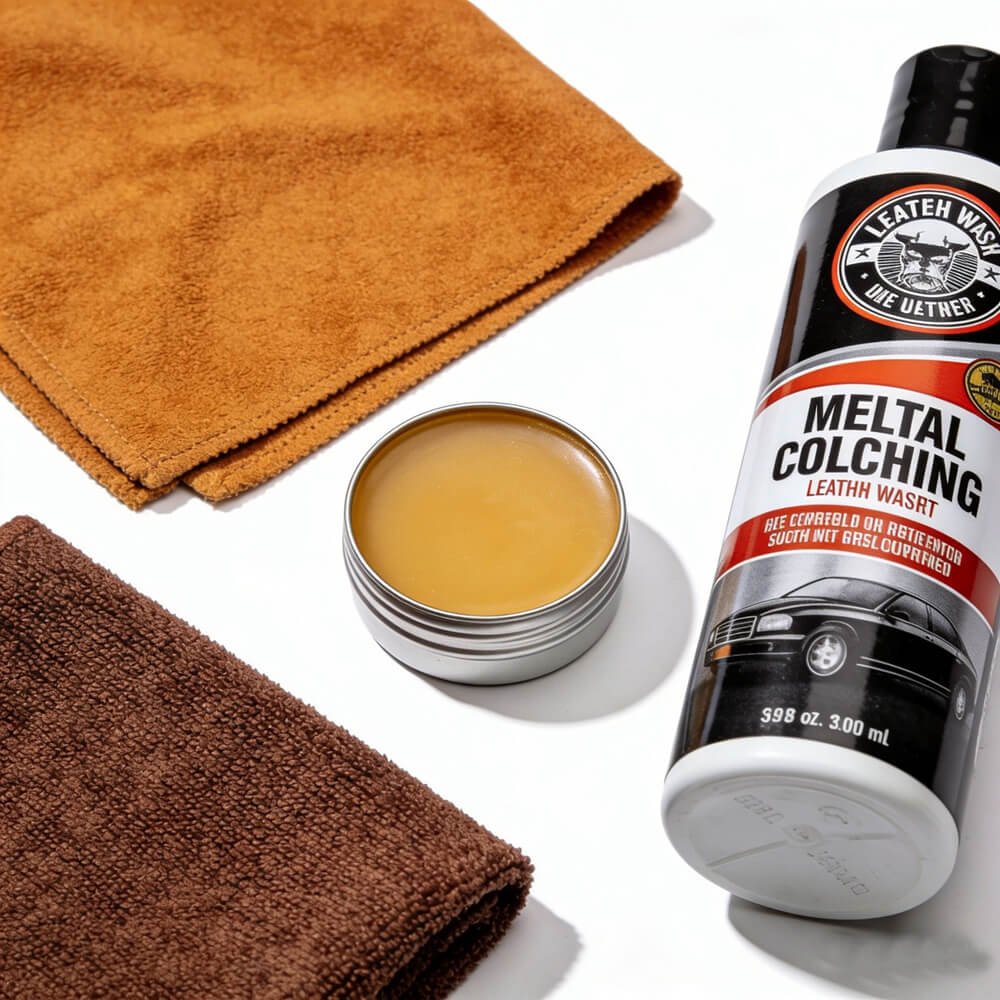
D'Geheimnis vun enger laang dauerhafter Keychain ass net nëmmen d'Material - et ass wéi Dir et këmmert. Och dat bescht Metall ka ruste wann et vernoléissegt gëtt, an dat bescht Lieder kann knacken wann se gedréchent ginn.
Wéi këmmere sech ëm Metal Keychains
Metal ass niddereg Ënnerhalt awer net “keen Ënnerhalt.” Fir et nei ze halen:
- Geleeëntlech Wëschen: Benotzt e Mikrofibertuch fir Hautöle a Dreck ze läschen. Dëst verhënnert datt d'Metall kuckt “bewölkt.”
- Poléieren: Wann Dir Messing oder Kupfer hutt, benotzt all puer Méint eng kleng Quantitéit Metalllack fir d'Verschmotzung ze läschen.
- Hardware Inspektioun: Kuckt de “opzedeelen Ring” oder “karabiner” deel. Wann et fillt sech locker oder gebéit, ersetzt de Rank fir ze vermeiden datt Dir Är Schlësselen verléiert.
De 5-Step Leder Verjüngungsplang
- Botzen: Use a damp (not soaking) cloth to wipe away dust. Avoid using dish soap, which can strip the leather of its natural oils.
- Conditioning: Every 6 months, apply a tiny amount of leather conditioner or balm. This keeps the hide supple and prevents cracking.
- Water Protection: If it gets wet, let it air-dry naturally at room temperature. Never use a hair dryer or set it on a heater.
- Patina Promotion: The best way to care for leather is to touch it. The oils from your hands are actually good for the material!
- Proper Storage: When not in use, keep it in a cool, dry place. Avoid direct sunlight for long periods, which can “bleach” the color.
Economic and Environmental Impact
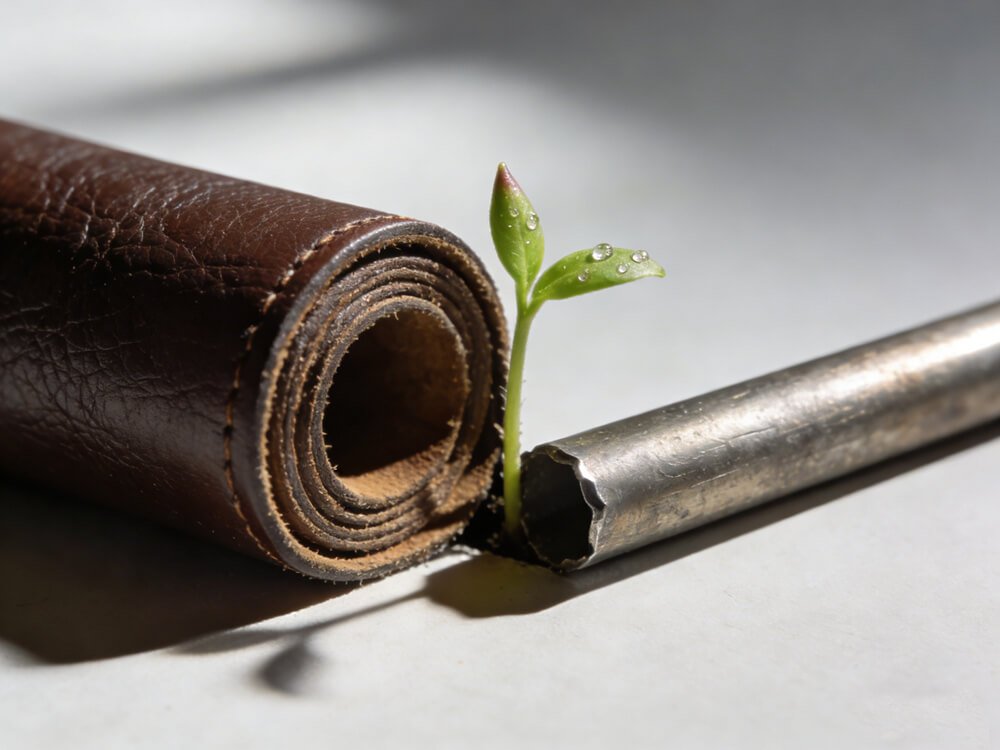
In 2026, the “lifestyle” value of a product also includes its impact on the planet. Leather and metal offer two different paths to sustainability.
Biodegradability vs. Recyclability
Leather is a natural material. If it is high-quality and vegetable-tanned, it is largely biodegradable. When you are done with it (after a decade or more), it will return to the earth much faster than plastic or metal. Metal, on the other hand, is the ultimate recyclable material. A stainless steel keychain can be melted down and turned into a new product forever. The downside is that mining and smelting metal require a lot of energy. Choosing a keychain that lasts 20 years is the best way to reduce your environmental footprint, regardless of the material.
The Cost Breakdown
Typically, a simple metal keychain is more affordable to produce in bulk. However, premium leather keychains often represent a higher “perceived value.”
- Average Metal Keychain: ~$7.41 (Mid-range value buy).
- Average Leather Keychain: ~$4.26 – $15.00 (Affordable entry-level to premium).
For branding and promotional gifts, metal offers high durability for a low cost. For personal gifts or luxury merchandise, leather is usually the preferred choice because it feels more expensive than it actually is.
Oft gestallte Froen (FAQ)
1. Can leather keychains actually last as long as metal ones?
Structurally, metal is stronger. A metal keychain won’t tear or snap under high pressure. However, with proper conditioning, a high-quality leather keychain can last over 10 years and will look better as it ages, whereas metal will just accumulate scratches.
2. Will a metal keychain scratch my phone screen?
Yes. Metal is much harder than phone glass. If they rub together in your pocket, the metal will leave scratches. Leather keychains are soft and provide a protective buffer, making them much safer to carry in the same pocket as your phone.
3. What is a “patina” and why do people want it?
A patina is the natural aging process of leather. Over time, it develops a shiny, darker surface through exposure to oils and light. It makes the keychain look vintage and “expensive.” Metal does not develop a patina; it usually just dulls or tarnishes.
4. Are leather keychains hard to maintain?
Not at all! You only need to apply a bit of leather conditioner once or twice a year. Other than that, just avoid soaking it in water and it will take care of itself.
5. Which material is better for a corporate gift?
Leather is generally seen as more “luxurious” and personal. It is great for gifting to high-value clients or employees. Metal is excellent for mass giveaways because it is very tough and the branding (laser engraving) lasts forever.
Conclusion: Matching Your Keychain to Your Lifestyle
After looking at every angle—from the physics of your car’s ignition to the acoustic benefits of a silent walk—the choice between leather and metal is clear. It isn’t about which material is “best” in a vacuum; it is about which material fits your daily grind.
If you are a rugged individual who spends a lot of time outdoors, works in an industrial environment, or simply wants a “set it and forget it” accessory that will survive for decades, metal is your champion. Its strength and modern, industrial edge make it a reliable tool that never quits. It is built for the long haul and requires almost zero effort to maintain.
Wéi och ëmmer, wann Dir Komfort schätzt, wann Dir Ären Telefonbildschierm vu Kratzer wëllt schützen, a wann Dir e raffinéierte Look schätzt, dee mat Charakter alternd ass, Lieder ass déi bescht Wiel. Et bitt en Niveau vun “Quiet Luxury” an taktile Hëtzt datt Metal einfach net replizéiere kann. Eng Lieder Keychain ass méi wéi en Halter - et ass e Begleeder dee mat Iech wiisst, seng eege Geschicht duerch seng Patina entwéckelt.
We believe that every item you carry should bring you both joy and utility. By choosing a high-quality keychain, you are investing in an accessory that protects your keys, your car, and your style. Whether you lean toward the cold, hard strength of steel or the warm, suppleness of genuine cowhide, make sure you choose a material that reflects the person you are.