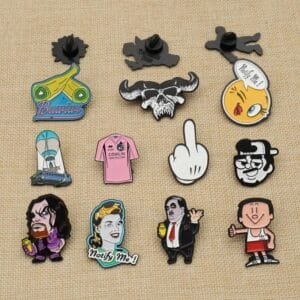

Mikä on rintaneulojen historia ja kehitys?
Rintaneulan historia on matka ajassa, joka juontaa juurensa aikakausille, jotka ovat jopa vanhempia kuin monet nykyiset kansakunnat. Vaikka kukaan ei ole täysin varma, mistä ensimmäinen merkki tuli, tiedämme, että halu käyttää symboleja on yhtä vanhaa kuin sivilisaatio itse.
Antiikin alku: Toteemit ja rintakorut
Tarina alkaa muinaisen maailman primitiivisistä klaaniheimoista. Sanotaan, että käsite sai alkunsa totemisymboleista. sisään Muinainen Egypti (sekä Ylä- että Ala-Egypti), tiettyjä eläimiä kunnioitettiin. He käyttivät korppikotkaa ja kobraa toteemeina. Vaikka egyptiläiset eivät valmistaneet rintaneuloja nykyisessä mielessä, he olivat uranuurtajia taiteellisissa upotus- ja emalointiprosesseissa – tekniikoissa, jotka antavat nykypäivän pinssille elävän ja jalokivimaiseman.
Välimerellä, foinikialaiset-kuuluisat kaupalliset kauppiaat - käyttivät lehmää toteemina. Tämä kuvio ilmestyi heidän esineisiinsä ja jopa kolikoihinsa. Tämä tapa leimata edustava eläin tai symboli metalliin oli merkin suora edeltäjä.
Kuitenkin rintaneulan suorin esi-isä on roomalainen pohjeluu. Muinaisessa Roomassa nämä olivat toiminnallisia koristeellisia rintakoruja, joita käytettiin vaatteiden, kuten tunikojen ja viivojen, kiinnittämiseen. Mutta ne eivät olleet vain vaatteiden ylläpitoon; Roomalaisille sotilaille myönnettiin nämä rintaneulat urheuden symboleina. Tämä merkitsee tapin alkua sotilaallisena kunniana.
Idässä, “Lohikäärme” logoa Qing-dynastia Kiinassa tuli Kiinan historian ensimmäinen kansallinen tunnus, joka symboloi samanaikaisesti kuninkaallista perhettä ja kansakuntaa. Tämä korostaa, kuinka rintamerkit ja merkit ovat aina olleet yhteydessä auktoriteettiin ja identiteettiin.
Keskiaika: Tunnistautuminen taistelukentällä
Historian siirtyessä keskiajalle tunnistamisen tarpeesta tuli elämän ja kuoleman kysymys. Taistelukentän kaaoksessa raskaasti panssaroitujen ritarien piti erottaa ystävä vihollisesta. He alkoivat suunnitella monimutkaisia merkkejä ja maalata niitä kilpeihinsä. Tämä oli syntymä heraldiikka.
Nämä merkit seurasivat tiettyjä ohjelmia, mukaan lukien kunnian symbolit, maskotit ja lupaavat värit. Lopulta nämä mallit siirtyivät taistelukentältä kansalaisyhteiskuntaan. Kiltat, aristokraatit ja ritarit käyttivät merkkejä symboloimaan jäsenyyttä ja hierarkiaa. Merkki ei ollut vain koriste; se oli henkilökorttisi.
Sisällissota ja 1900-luvun muutos
Vuoden aikana tapahtui merkittävä kehitys Amerikan sisällissota. Sodan logistiikan hoitamiseksi sotilaiden oli käytettävä messinkineuloja, joissa oli heidän yksikkönumeronsa. Tämä käytännöllinen välttämättömyys kehittyi tunnesideksi; Pinssit loivat veljeyden ja uskollisuuden tunnetta yksiköiden keskuudessa.
1900-luvulla neulasta tuli kulttuurikuvake. Ensimmäinen maailmansota antoi meille Punaisen unikon, sotilaiden verenvuodatuksen ja uhrausten muistomerkin, jota käytetään edelleen. Poliittisesti pinneistä tuli ilmaisuvälineitä. Amerikan vallankumouksen aikana kannattajat käyttivät “Liberty Cap” nastat. Vuosikymmeniä myöhemmin, 1960-luvulla, “Olen Mies” pinistä tuli kansalaisoikeusliikkeen voimakas symboli.
Nykyaikana, 11. syyskuuta 2001 tapahtuneiden hyökkäysten jälkeen, Yhdysvaltain lippuneulasta tuli kaikkialla läsnä oleva isänmaallisuuden ja poliittisen uskollisuuden symboli Yhdysvalloissa. Nykyään rintaneulat ovat tehneet massiivisen paluun muodissa, ja julkkikset ja vaikuttajat käyttävät niitä ilmaistakseen yksilöllisyyttä.

Mikä symboliikka rintaneulojen takana on?
Kun kiinnität neulan käänteeseesi, liität kertomuksen. Rintaneulojen symboliikka on laaja, ja se kattaa kaiken uskonnollisesta uskosta yrityshierarkiaan. Puretaan piilotetut merkitykset.
Mitä poliittiset rintamerkit symboloivat?
Poliittisella areenalla pinni on uskollisuuden merkki. The Amerikan lippuneula on standardi poliitikoille osoittaa isänmaallisuutta. Vuoden 2008 Yhdysvaltain presidentinvaalikampanjan aikana lippuneulaa tarkasteltiin voimakkaasti poliittisen uskollisuuden symbolina.
Lipun tuolla puolen, Kongressin rintaneulat ovat elintärkeitä. Nämä nastat ilmaisevat jäsenen aseman osana kongressia. Niissä on kongressin sinetti ja ne ovat auktoriteetin merkki. Lisäksi jäsenet käyttävät komiteakohtaiset nastat. Esimerkiksi House Armed Services -komitean jäsen saattaa käyttää pinssiä, jossa on kotka tai sotilassymbolit. Poliitikot käyttävät myös nastat vaikuttamiseen; vaaleanpunaisen nauhaneulan käyttäminen tukee rintasyöpätietoisuutta, jolloin he voivat ilmaista kantansa sosiaalisiin kysymyksiin puhumatta.
Mitä armeijan ja palvelusmerkkien takana on?
Sotilaalliset rintamerkit ovat tiukasti säänneltyjä kunniamerkkejä. Ne myönnetään kunniaksi rohkeudesta, palvelusta ja uhrauksista.
- Violetti sydän: Myönnetään taisteluissa haavoittuneelle Yhdysvaltain armeijalle, mikä edustaa rohkeutta ja uhrauksia.
- Sivukonttorin arvomerkit: Armeijalla, laivastolla, ilmavoimilla, merijalkaväellä ja rannikkovartiostolla on kullakin omat nastat, jotka merkitsevät arvoa ja yksikköä.
- Kunniamitali: Korkein kunnianosoitus, joka myönnetään velvollisuuden ylittämisestä.
- Terminologia: Sotilasmääräyksissä kuulet termejä kuten “Rintojen merkki” (käytetään nauhojen yläpuolella) ja “Ampuminen merkit” (käytetty nauhojen alla).
Kuinka rintaneulaa käytetään yritys- ja brändi-identiteettiin?
Yritysmaailmassa rintaneula on työkalu kulttuurin rakentamiseen. Yritykset käyttävät niitä osana brändistrategiaansa. Esimerkiksi, McDonald's antaa rintaneuloja tunnustaakseen työntekijöiden saavutuksia. Neula voi tarkoittaa 5, 10 tai 20 vuoden palvelua, mikä tekee pinnistä kunniamerkin yrityskulttuurissa. Se edistää yhteenkuuluvuuden tunnetta ja tekee työntekijöistä brändin ylpeitä lähettiläitä.
Mikä on uskonnollinen symboliikka rintaneuloissa?
Uskoville pinsetit ovat tyylikäs tapa ilmaista uskoa.
- Risti: Edustaa Jeesuksen Kristuksen ristiinnaulitsemista ja ylösnousemusta.
- Kyyhkynen: Symboloi Pyhää Henkeä, rauhaa ja puhtautta.
- Kala (Ichthys): Muinainen salainen symboli, jota varhaiskristityt käyttivät tunnistamaan toisensa.
- Orjantappurakruunu: Tunnustaa uhrauksen ja lunastuksen.
Mitä akateemiset rintaneulat edustavat?
Akateemisessa maailmassa nastat merkitsevät siirtymistä opiskelijasta tutkijaksi. Valmistumisneulat ovat muistoesineitä, joissa on koulun tunnus ja vuosi. Kunniayhdistykset käytä nastoja (joissa on usein soihtu tai laakeriseppele) kutsuaksesi oppilaita, jotka ovat saavuttaneet korkeat GPA-arvot tai johtotehtävät. Tämä lisää moraalia ja luo tunnetta eliitti-identiteetistä.

Mitä erityisillä suunnitteluelementeillä tarkoitetaan?
Neulassa oleva kuva ei ole koskaan sattumaa. Eläimillä, kukilla ja muodoilla on vuosisatojen aikana kodifioituja perinteisiä merkityksiä.
Eläinten symboliikka
- Kotka: Edustaa voimaa, vapautta ja näkemystä. Se on amerikkalaisten isänmaallisten pinssien keskipiste.
- Leijona: Symboloi rohkeutta ja voimaa.
- Tiikeri: Edustaa voimaa ja joustavuutta.
- Kyyhkynen: Yleismaailmallinen rauhan merkki.
- Joutsen: Edustaa eleganssia, ylellisyyttä ja kauneutta, joka löytyy yksinkertaisuudesta.
- Lohikäärme: Liittyy valtaan ja suojeluun Aasian kulttuureissa.
- Perhonen: Symboloi muutosta ja kasvua.
Kukka- ja luontomallit
- Punainen unikko: Lopullinen symboli kaatuneiden sotilaiden muistolle (WW).
- Auringonkukka: Japanissa asianajajat (bengoshi) käyttävät pinssiä, jossa on auringonkukka. Kukka edustaa vapautta ja oikeudenmukaisuutta, kun taas keskellä oleva asteikko edustaa oikeudenmukaisuutta. Se on asiantuntemuksen tunnusmerkki.
- Boutonniere: Todellinen kukka käänteessä, symboloi iloa ja juhlaa, tyypillisesti häissä.
Muodot ja värit
- Nauhat: Vaaleanpunainen (rintasyöpä), punainen (AIDS), sateenkaari (LGBTQ+ Pride), palapeli (autismi).
- Tähti: Lainvalvonnassa tähti on auktoriteetin symboli. Poliisin nastat voivat olla 5, 6 tai 7 pisteen tähtiä osastosta riippuen. The “Ympyrän tähti” on suosittu malli poliisin tunnuksille.
- Sydän: Symboloi rakkautta ja myötätuntoa.
| Symboliluokka | Erityinen suunnittelu | Ensisijainen merkitys |
|---|---|---|
| Eläimet | Kotka | Voima, Vapaus, Visio |
| Leijona | Rohkeutta, voimaa | |
| Luonto | Punainen unikko | Sotilaiden muisto |
| Auringonkukka | Oikeus, vapaus (Japanin laki) | |
| laki | Tähti (5/6/7 pistettä) | Viranomainen, poliisiliitto |
| värit | Vaaleanpunainen nauha | Tietoisuus rintasyövästä |
Sukella syvälle rintaneppien valmistustyyppeihin
Kun päätät ostaa tai suunnitella neulan, ensimmäinen kysymys, jonka kohtaat: “Minkä tyypin haluat?” Valmistusprosessi määrittää tapin ulkonäön, tuntuman, kestävyyden ja hinnan. Tässä on yksityiskohtainen erittely kaikista tärkeimmistä tyyleistä.
1. Cloisonne (kova emali)
Historia: Cloisonné on muinainen tekniikka, joka syntyi Kiinassa 1200-luvulla maljakoiden luomiseksi keisarille. Sitä pidetään “kuninkaallinen” standardi pinnoille.
Prosessi: Nämä tapit on valmistettu jauhemaisesta lasimaisesta aineesta. Malli on meistetty metalliin, ja upotetut alueet on täytetty tällä jauheella. Tappi poltetaan sitten uunissa paahtavan 1600 Fahrenheit-asteen lämpötilassa. Tämä sulattaa lasijauheen kovaksi, kestäväksi emaliksi. Lopuksi tappia kiillotetaan hiomakivellä, kunnes emali on samalla tasolla (tasainen) metalliviivojen kanssa.
Ulkonäkö: Tuloksena on sileä, korumainen viimeistely. Ei ole tekstuuria; pinta on täysin tasainen ja kiiltävä. Se on laadukkain saatavilla oleva pinni.
2. Pehmeä emali
Prosessi: Tämä on suosituin valinta mukautetuille pinnoille. Malli on meistetty metalliin (usein kupariin, messinkiin tai rautaan). Upotetut kohdat täytetään nestemäisellä emalimaalilla. Toisin kuin Cloisonné, neula ammutaan alhaisemmalla lämmöllä värien sulkemiseksi.
Ulkonäkö: Kun painat sormella pehmeää emalitappia, voit tuntea kuoppia. Metalliset reunat ovat koholla ja maali on alempana syvennyksissä. Tämä luo mitoitetun, teksturoidun ilmeen. Se on usein halvempaa kuin kova emali ja mahdollistaa erittäin eloisia värejä.
3. Struck
Prosessi: Die isketyt tapit eivät käytä mitään väriä. Muokattu muotti luodaan ja lyödään raakametallia (kulta, hopea, messinki tai nikkeli) vasten. Leimausprosessi luo syviä syvennyksiä.
Ulkonäkö: Nämä tapit perustuvat valon ja varjon vuorovaikutukseen. Jotta muotoilu olisi pop, upotettu tausta hiekkapuhalletaan usein mattapintaisen tekstuurin luomiseksi, kun taas kohotettu metalli kiillotetaan kiiltäväksi. Tämä luo klassisen, tyylikkään ja perinteisen ilmeen, joka sopii täydellisesti lainvalvonta- tai lainopillisiin pinsseihin.
4. 3D Cast
Prosessi: Kun kuvio on liian monimutkainen leimaamiseen (kuten pienoispatsas tai yksityiskohtainen eläimen pää), käytetään 3D-valua. Sula metalli (yleensä sinkkiseos) kaadetaan kumimuottiin. Muottia kehrätään suurilla nopeuksilla (keskipakovalu) nestemäisen metallin pakottamiseksi jokaiseen pieneen rakoon.
Ulkonäkö: Näillä tapeilla on todellinen syvyys ja kaarevuus. Ne eivät ole tasaisia; Niissä on useita pintatasoja ja kulmia, jotka tarjoavat 3D-ilmeen ja -tuntuman.
5. Offsetpainettu (digitaalinen)
Prosessi: Jos mallisi on valokuva, maalaus tai logo, jossa on kaltevuudet (haalistuvat värit), emali ei pysty jäljittelemään sitä. Sen sijaan kuva tulostetaan suoraan metallipinnalle aikakauslehtien painamisen kaltaisella prosessilla.
Ulkonäkö: Saat tarkan kopion taideteoksesta. Musteen suojaamiseksi naarmuuntumiselta päälle on levitetty kirkas epoksikupu. Pinta on sileä ja kiiltävä.
6. Valokuva etsattu
Prosessi: Tämä on taloudellinen vaihtoehto emalille. Happoreaktioprosessia käytetään kuvion syövyttämiseen ohuemmaksi metallilevyksi. Syvennykset täytetään sitten emalivärillä ja neula paistetaan 450 Fahrenheit-asteessa.
Ulkonäkö: Se näyttää samalta kuin pehmeä emali, mutta on kevyempi ja ohuempi. Se sopii erinomaisesti suuriin malleihin, joissa paino saattaa olla ongelma.

Liitteet ja erikoisominaisuudet
Tappi on vain niin hyvä kuin sen tausta. Jos se putoaa, se katoaa ikuisesti. Tässä on vaihtoehtosi sen suojaamiseksi.
- Perhoskytkin: Tunnetaan myös sotilaallisena kytkimenä. Se on vakioliitin. Kaksi “siivet” puristetaan tapin vapauttamiseksi. Se on yksinkertainen, mutta voi löystyä ajan myötä.
- Korukytkin (Deluxe-lukitusselkä): Tämä näyttää pieneltä silinteriltä. Siinä on sisäinen lukitusmekanismi, joka tarttuu tappitolppaan tiukasti. Sinun täytyy vetää tietty tapa vapauttaa se. Suositellaan arvokkaille pinnoille.
- Kumikytkin: Yksinkertainen kumikorkki, joka istuu tiukasti. Se on miellyttävä ihoa vasten ja sitä on saatavana useissa väreissä.
- Magneettinen tausta: Täydellinen herkille kankaille (kuten silkki tai kalliit puvut), joihin et halua pistää reikiä. Vahva magneetti pitää neulaa käänteen takaa.
- Hakaneula: Käytetään suurempiin, painavampiin tappeihin, jotta ne eivät pyöri.
Hauskoja lisäosia:
- Spinnerit: Toinen metallipala on kiinnitetty, joka voi pyöriä (kuten pyörä).
- Liukusäätimet: Eteen- ja taaksepäin urassa liukuva kappale.
- Silmälaput: Kellon paristolla toimivat pienet LEDit, jotka vilkkuvat päälle ja pois.
- Kimallus: Metallihiutaleita sekoitettuna emaliin kimaltelevaa vaikutusta varten.
- Pimeässä hohtava: Erityinen emali, joka säteilee valoa pimeässä.
Tilaisuudet, käyttötapaukset ja etiketti
Neulat ovat monipuolisia, mutta erilaiset tapahtumat vaativat erilaisia tyylejä. Näin voit navigoida käänteen sosiaalisissa säännöissä.
Häät: Boutonniere vs. Pin
Perinteisesti sulhanen ja sulhanen pukeutuvat a boutonniere-tuore kukka. Tämä on “alkuperäinen” rintaneula. Nykyaikaiset häät ovat kuitenkin muuttumassa. Monet parit luovat nykyään mukautettuja rintaneuloja vieraiden suosikiksi, ja niissä on heidän nimikirjaiminsa ja hääpäivä. Sulhaset käyttävät yhä useammin teemanappeja (kuten supersankarilogoa tai yksilöllistä monogrammia), jotka on piilotettu käänteisiinsä hauskan persoonallisuuden vuoksi.
Hautajaiset ja muistomerkit
Pinsillä on surullinen historia. Viktoriaanisella aikakaudella surukorut olivat yleisiä. Nykyään tietyn rintaneulan käyttö on kunnioittava tapa kunnioittaa vainajaa. The Punainen unikko on sotilaallisen muiston standardi. Tietyissä syissä tietoisuusnauhat (kuten violetti Alzheimerin taudille) ovat sopivia.
Yritystapahtumat ja messut
Messuilla pin on tehokas verkkotyökalu. Se on jäänmurtaja. Yrityksesi logolla varustetun pinssin käyttäminen auttaa osallistujia tunnistamaan sinut välittömästi. Pinssien vaihto konferensseissa on myös suosittua toimintaa. Monet ammattilaiset käyttävät “vuoden palveluksessa” nastat ilmoittamaan asiakkaille heidän kokemustasonsa.
Valmistujaiset ja akateemiset seremoniat
Valmistumispäivä on pinssien parasta aikaa. Opiskelijat käyttävät usein pukussaan pinssejä, jotka edustavat pääaineenaan, kunniayhteiskuntaansa tai opiskelijahallinnon rooliaan. Se lisää persoonallisuutta yhtenäiseen valmistujaisasuun. Alumnit käyttävät usein koulun pinssejä tapaamisissa tunnistaakseen valmistuvan luokkansa.
Arjen tyyli: Pukuopas
Sijoitus: Aina vasemmassa käänteessä napinläven läpi.
Värien koordinointi:
- Musta puku: Käytä hopeaa tai kultaa saadaksesi muodollisen ilmeen tai kirkkaan vaaleanpunaisen/sinisen kontrastin lisäämiseksi.
- Harmaa puku: Navy, Burgundy tai Green pinssit näyttävät upeilta harmaata vasten.
- Laivastonsininen puku: Kaikkein monipuolisin. Kulta näyttää merimaiselta ja klassiselta. Kirkkaat värit erottuvat hyvin.
- Beige puku: Kiinni pastelliin, kukkaisiin tai pehmeisiin neutraaleihin.

Keräyksen ja kaupankäynnin kulttuuri
Monille neulat eivät ole pukemista varten – ne ovat hamstraamista varten (hyvällä tavalla!). Tapahtuma- ja muistomerkkien kerääminen on valtava maailmanlaajuinen harrastus.
Historian säilyttäminen: Pinssit maailmanmessuilta ja poliittisista konventeista ovat historiallisia otoksia. Ne kuvaavat aikansa taidetyyliä ja poliittista tunnelmaa.
Kauppapeli: Disney Pin Trading ja Olympic Pin Trading ovat kuuluisia alakulttuureja. Olympialaisissa urheilijat ja katsojat tapaavat vaihtaakseen maansa rintaneuloja. Se on sosiaalinen liima, joka ylittää kielimuurit.
Arvo: Vakavat keräilijät etsivät “AP” jälkiä selässä. Tämä tarkoittaa “Taiteilijan todiste.” Nämä ovat tapin suunnittelun ensimmäiset koeajot (yleensä rajoitettu ~20 kappaleeseen). Ne ovat harvinaisia ja arvostettuja massatuotantoversioihin verrattuna.
Usein kysytyt kysymykset (FAQ)
1. Mitä eroa on rintaneulalla ja rintanalla?
Vaikka sitä käytetään usein vaihtokelpoisesti, siinä on historiallinen ero. rintaneula on ensisijaisesti koristeellinen tai symboloiva sidonnaisuus (kuten Rotary Club -neula). Tunnus on peräisin henkilöllisyydestä ja auktoriteetista (kuten poliisin tunnuksella) tai sitä käytettiin äänestämiseen ja poliittiseen kampanjointiin. Merkkejä ei yleensä käytetä muotityyliin samalla tavalla kuin rintamerkkejä.
2. Voiko kukaan käyttää sotilaallista rintaneulaa?
Kyllä, siviilit voivat käyttää sotilasneuloja. Vaikka ne myönnetään ensisijaisesti palvelun jäsenille, siviilit käyttävät niitä osoittaakseen tukeaan, isänmaallisuutta ja kunniaa joukkojen uhrauksille. On kuitenkin tärkeää, että käytät niitä kunnioittavasti, etkä koskaan anna ymmärtää, että olet ansainnut mitalin tai arvosanan, jota et omistanut (mitä pidetään varastettuna urhoollisena).
3. Kuinka kiinnität tapin, jotta se ei putoa?
Tavallinen perhoskytkin voi löystyä ajan myötä. Käytä arvokkaille pinnoille Deluxe-lukitustappien selkänojat (kutsutaan usein korukytkimiksi), joissa on sisäinen lukitusmekanismi, joka tarttuu tappitolppaan. Tiettyyn takkiin pysyvää kiinnitystä varten jotkut ihmiset käyttävät tippaa superliimaa tai epoksia tappitolppaan ennen takaosan kiinnittämistä.
4. Mikä merkitys on “Tähti” poliisin pinnoilla?
Tähti on yleinen symboli auktoriteetista ja suojelusta lainvalvonnassa. Poliisineuloissa voi olla 5-, 6- tai 7-pisteinen tähti. Pisteiden määrä riippuu usein osaston historiasta tai maantieteellisestä sijainnista. Suosittu muunnelma on “Ympyrän tähti,” jossa tähti on renkaan sisällä.
5. Miksi Japanin lakimiehet käyttävät rintaneuloja?
Japanissa rintaneulat ovat asianajajien ammattivaatimus (bengoshi). He käyttävät neulaa, jossa on a auringonkukka keskellä asteikko. Auringonkukka symboloi vapautta ja oikeudenmukaisuutta, kun taas vaaka edustaa oikeudenmukaisuutta. Japanin asianajajaliitto on lainannut nämä rintaneulat, ja ne toimivat virka- ja asiantuntemuksen kunniamerkkinä.
Johtopäätös
Muinaisista Egyptin käsityöläisistä globaalien yritysten nykyaikaisiin hallitushuoneisiin rintaneula on kulkenut läpi historian ihmisen identiteetin vankkumattomana symbolina. Nämä “miniatyyri kankaat” tehdä paljon muutakin kuin pitää kangaspalaa yhdessä. He kertovat tarinoita historiastamme, he esittelevät taidettamme ja välittävät henkilökohtaisia arvojamme maailmalle.
Kiinnitätpä lipun osoittaaksesi isänmaallisuutesi, yrityksen logon osoittamaan joukkuehenkeäsi tai vintage-emaloitua designia vain siksi, että se sopii pukuun, osallistut vuosisatoja vanhaan perinteeseen. Neulat antavat meille mahdollisuuden käyttää sydäntämme – ja tarinoitamme – hihoissamme (tai pikemminkin käänteissämme).