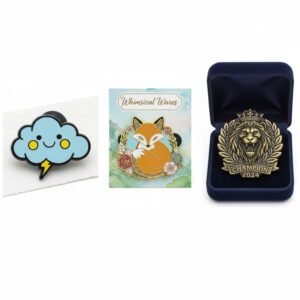
Militärstifte sind mehr als nur kleine metallische Ornamente, die an einem Revers oder einer Mütze festgehalten werden. Sie sind Symbole der Ehre, Tapferkeit und Stolz, die das Gewicht der Geschichte tragen. Diese kleinen Embleme haben Geschichten, die in sie eingewebt sind, und sie repräsentieren das Erbe des Militärdienstes. Vom Bürgerkrieg bis zu modernen Engagements haben Militärstifte die Uniformen von Soldaten und Zivilisten gleichermaßen geschmückt, die als Abzeichen der Treue, Pflicht und Opfer stehen. Dieser Artikel wird tief in die Bedeutung, Geschichte, Typen und Traditionen hinter den US -Militärstiften eintauchen.
Was repräsentieren Militärstifte?
Im Kern dienen US-Militärnadeln als starke Symbole. Für die Männer und Frauen der Streitkräfte repräsentieren diese Abzeichen viel mehr als nur die Einheit, in der sie gedient haben, oder ihre militärische Zweigstelle. Jede Anstecknadel spiegelt Einsatzbereitschaft, Patriotismus und oft auch die Erinnerung an verlorene Kameraden wider. Ganz gleich, ob es sich um die Anstecknadel der amerikanischen Flagge, das Abzeichen einer Einheit oder eine Dienstandenkennadel handelt, militärische Anstecknadeln sind seit langem eine sichtbare Erinnerung an die Werte des Militärlebens.
Darüber hinaus sind sie zu einer Ausdrucksform geworden, die es Veteranen und aktiven Soldaten ermöglicht, stolz ihre Zugehörigkeit und Erfolge zur Schau zu stellen. Heutzutage sind Militärnadeln ein alltäglicher Anblick an nationalen Feiertagen wie dem Veterans Day und dem Memorial Day, wo sie eine stille Hommage an die Opfer derjenigen darstellen, die gedient haben.
Der Unterschied zwischen Militärabzeichen und Stiften
Obwohl die Begriffe „Nadeln“ und „Insignien“ oft synonym verwendet werden, haben sie im militärischen Kontext unterschiedliche Bedeutungen. Abzeichen beziehen sich normalerweise auf ein Rang- oder Zugehörigkeitssymbol und haben nicht immer die Form einer Anstecknadel. Ein Abzeichen könnte beispielsweise ein auf eine Uniform genähter Aufnäher sein, eine militärische Anstecknadel ist jedoch typischerweise ein metallisches Abzeichen, das auf Uniformen oder Zivilkleidung getragen wird. Die Verwendung von Abzeichen reicht Jahrhunderte zurück und ist nach wie vor ein Schlüsselelement militärischer Uniformen auf der ganzen Welt.
Beim US-Militär spielen Abzeichen eine entscheidende Rolle bei der Identifizierung von Rang, Zweig und Qualifikationen der Soldaten. Die Tradition, Abzeichen als Teil der Abzeichen zu tragen, entstand aus dem Bedürfnis heraus, zwischen Soldateneinheiten oder Divisionen zu unterscheiden. Anstecknadeln sind praktisch, einfach herzustellen und langlebig, was sie zu einer perfekten Option für die Herstellung unverwechselbarer militärischer Symbole macht.
Wie man Militäranlagenstifte trägt
Beim Tragen einer militärischen Anstecknadel geht es nicht nur darum, Ihr Outfit zu verschönern – es geht darum, Respekt zu erweisen. Die Platzierung militärischer Anstecknadeln ist besonders in formellen oder offiziellen Anlässen wichtig. Gemäß dem US-Flaggengesetz dürfen Veteranen, aktives Personal, Polizisten und Mitglieder patriotischer Organisationen Anstecknadeln an ihren offiziellen Uniformen tragen. Am häufigsten wird eine militärische Anstecknadel am linken Revers in der Nähe des Herzens getragen und symbolisiert Loyalität und Dienst an der Nation.
Für Zivilisten, die an Veranstaltungen wie Paraden oder Gedenkgottesdiensten teilnehmen, ist es akzeptabel, als Zeichen des Respekts Militärnadeln an Jacken, Hüten oder Kragen zu tragen. Während es für Zivilisten weniger formelle Regeln gibt, sollte das Tragen von Militärnadeln immer mit Stolz und Anstand erfolgen.
Die Geschichte der US -Militärstifte
Die Tradition des Tragens von Militärnadeln begann in den USA während des Bürgerkriegs in den 1860er Jahren. Damals erhielten die Offiziere Messingnadeln mit der Angabe ihrer Truppennummer. Diese Anstecknadeln wurden zu praktischen Mitteln zur Unterscheidung zwischen Einheiten und vermittelten den Reihen ein Gefühl der Einheit und Loyalität. Diese Praxis wurde im Laufe der Zeit fortgesetzt und weiterentwickelt, insbesondere während des Ersten Weltkriegs, als Soldaten Anstecknadeln für vorbildliche Dienste verliehen wurden.
Die Bedeutung von Anstecknadeln wuchs im Zweiten Weltkrieg. Heimkehrende Soldaten trugen ihre Anstecknadeln oft an ihrer Zivilkleidung und zeigten stolz ihren Dienst und ihre Leistungen. Anstecknadeln wurden auch an Familienangehörige gefallener Soldaten verschenkt, eine Praxis, die bis heute anhält und bei der Gold-Star-Familien Anstecknadeln erhalten, um die Opfer ihrer Angehörigen zu würdigen.
Heutzutage sind Militärnadeln über ihren reinen Zweck hinausgewachsen. Sie werden zum Gedenken an den Dienst, zur Feier von Siegen und zur Ehrung von Soldaten aller Zweige des US-Militärs verwendet. Die Tradition der Militärnadeln ist weiterhin ein lebendiger Teil der amerikanischen Kultur und dient sowohl als persönliche Erinnerung als auch als historische Artefakte.
Fünf Arten von US -Militärstiften
In den USA gibt es fünf Hauptkategorien von militärischen Stiften, die jeweils einen bestimmten Dienstzweig darstellen. Lassen Sie uns sie aufschlüsseln:
1. Armeestifte
Die US -Armee ist der älteste und größte Zweig des US -Militärs. Die erste professionelle Armee in der amerikanischen Geschichte, das Logo der US -Armee, das von einem weißen Stern mit schwarzen Akzenten dargestellt wurde, war 1974 offiziell als die Insignien der Dienstleistung zugelassen. Die Armee -Pins beinhalten häufig das SEAL Army und überquerte Gewehre, das sowohl ihr Erbe als auch das moderne Krieg darstellt. Diese Stifte dienen als stolze Symbol für die Zugehörigkeit eines Soldaten zu den Bodentruppen der Nation.
2. Luftwaffenstifte
Die 1947 gegründete Luftwaffe ist der jüngste Zweig des US -Militärs. Sein Symbol, die Arnold Wings and Star, repräsentiert das Engagement der Niederlassung für Luft- und Raumüberlegenheit. Die Pins von Luftwaffen werden für verschiedene Erfolge und Positionen vergeben, und sie verfügen häufig über schlanke, aerodynamische Designs, um die High-Tech-Natur des Zweigs widerzuspiegeln. Mit über 320.000 Mitarbeitern mit aktivem Dienst werden überall Flugjacken bis hin zu Uniformen anziehen.
3.. Marine Body Pins
Das United States Marine Corps ist für seine große Loyalität und seinen Elitestatus bekannt. Das Emblem mit Adler, Globus und Anker symbolisiert die Bereitschaft der Marines, überall auf der Welt zu dienen. Das Motto „Semper Fidelis“ oder „Immer treu“ bringt das Ethos dieser Branche auf den Punkt. Es ist bekannt, dass Marinesoldaten Abzeichen tragen, die alles von bestimmten Einsätzen bis hin zu ihrem offiziellen Rang repräsentieren. Marine Corps-Anstecknadeln haben oft einen hohen sentimentalen Wert und dienen als Ehrenabzeichen innerhalb der eng verbundenen Marine-Gemeinschaft.
4. Navy Pins
Die US -Marine ist eine der mächtigsten maritimen Kräfte weltweit, mit einer Geschichte, die bis 1775 zurückreicht. Die Grundwerte der Marine sind Ehre, Mut und Engagement, und ihr Logo enthält einen Adler mit Spread Wings. Navy -Stifte werden für Erfolge vergeben, die vom Rangaufstieg bis hin zu speziellen Rollen wie U -Booten oder Aviators reichen. Das Marinepersonal erhalten häufig Stifte, die an ihre Schiffe, Missionen und jahrelangen Dienstleistungen erinnern.
5. Küstenwachestifte
Die US -Küstenwache mag der kleinste Zweig des Militärs sein, aber es hat eine stolze Geschichte, die Gewässer der Nation zu schützen. Das 1790 gegründete Motto der Küstenwache ist "Semper Paratus", was "immer bereit" bedeutet. Die Stifte der Küstenwache symbolisieren das Engagement der Niederlassung für die maritimen Strafverfolgung, die Suche und Rettung sowie den Umweltschutz. Diese Stifte spiegeln oft die Geschichte und Tradition der Niederlassung wider und dienen als Andenken für diejenigen, die US -amerikanische Küsten dienen und sie schützen.
Die Bedeutung von Militärstiften in der Neuzeit
Militärnadeln haben sich im Laufe der Jahrzehnte weiterentwickelt, doch ihre Bedeutung ist nach wie vor groß. Heutzutage symbolisieren Militärnadeln nicht nur die Leistungen aktiver Soldaten, sondern auch die Opfer von Veteranen und ihren Familien. Sie sind zu Sammlerstücken geworden, die oft über Generationen weitergegeben werden und Familiengeschichte und militärischen Stolz repräsentieren.
Heutzutage werden Militärnadeln als eine Form des persönlichen Ausdrucks und der Identität verwendet. Veteranen tragen sie als sichtbare Erinnerung an ihren Dienst, während Zivilisten sie tragen, um ihre Unterstützung für das Militär zu zeigen. Für Sammler sind Vintage-Militärnadeln aus früheren Kriegen wertvolle Artefakte, die oft in militärhistorischen Museen und Online-Marktplätzen gesucht werden. Sammler suchen nach seltenen Anstecknadeln, die eine einzigartige Geschichte erzählen – Anstecknadeln, die Teil bedeutender historischer Ereignisse waren oder eine bestimmte, kurzlebige Einheit darstellen.
Wie man militärische Reversnadeln erhält
Wenn Sie Ihre eigene militärische Anstecknadel entwerfen möchten oder diese für einen besonderen Anlass beschaffen müssen, bieten Unternehmen wie GS-JJ anpassbare Optionen. Sie bieten eine Reihe von Vorlagen für militärische Anstecknadeln, die an Ihre Designvorlieben angepasst werden können, sodass Sie eine einzigartige Darstellung Ihres Militärdienstes, Ihrer Einheit oder Ihres Ereignisses erstellen können.
Ganz gleich, ob Sie Anstecknadeln für ein besonderes militärisches Ereignis, ein Wiedersehen oder zur Erinnerung an den Militärdienst benötigen, der Prozess der Herstellung individueller militärischer Anstecknadeln ist einfacher denn je. Unternehmen bieten mittlerweile Online-Designsysteme an, mit denen Sie von der Form und Größe bis hin zu den Farben und Oberflächen alles anpassen können, um sicherzustellen, dass Ihr Pin genau Ihren Vorstellungen entspricht.
Schlussfolgerung: Das dauerhafte Erbe der US -Militärstifte
Militärnadeln mögen klein sein, aber ihre Bedeutung ist immens. Jedes erzählt eine Geschichte, sei es über den persönlichen Mut, den Rang eines Soldaten oder die Geschichte einer Einheit. Sie sind Symbole für Opferbereitschaft, Loyalität und Patriotismus und werden von Veteranen und aktiven Mitgliedern gleichermaßen stolz getragen. In der heutigen Welt haben militärische Abzeichen weiterhin eine kulturelle und emotionale Bedeutung und repräsentieren nicht nur die Errungenschaften derer, die ihnen dienen, sondern auch die Werte einer Nation, die ihre Helden ehrt.
Ob am Revers, an der Jacke oder an der Uniform befestigt, diese kleinen Embleme sind eine bleibende Erinnerung an den Mut und die Hingabe derjenigen, die sie tragen. Für Zivilisten bieten sie eine Möglichkeit, Solidarität und Respekt gegenüber den Streitkräften zu zeigen. Für Soldaten sind sie ein Ehrenzeichen – eine physische Darstellung ihres Dienstes und ihrer Hingabe für ihr Land.
Militärnadeln haben seit ihren bescheidenen Ursprüngen einen langen Weg zurückgelegt, doch ihr Erbe ist zeitlos. Es sind kleine Symbole mit großer Bedeutung, und sie werden auch in den kommenden Generationen geschätzt werden.