Jaký je význam a význam mincí Marine Challenge?
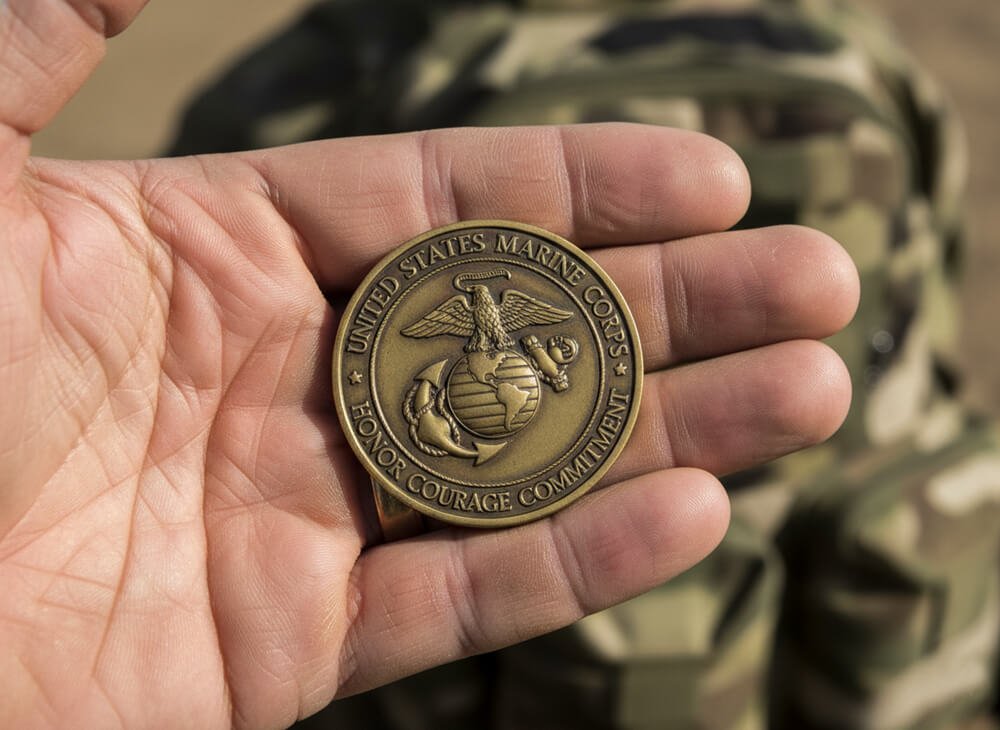
Ve své nejzákladnější definici je výzvou pro námořní pěchotu speciálně ražená mince nebo medailon, který obvykle nese odznak nebo znak konkrétní jednotky, eskadry nebo organizace v rámci sboru. Tyto mince se obvykle dávají členům služeb, aby prokázali členství v této organizaci. Definovat je však pouze jako “identifikace” by bylo promeškat jejich pravý účel.
Symbol kamarádství a sounáležitosti
Námořní pěchota je známá svou disciplínou, odvahou a hlubokým smyslem pro bratrství. Výzvová mince je fyzickým projevem těchto hodnot. Slouží jako symbol kamarádství, cti a uznání mezi členy služby. Když mariňák drží minci, drží kus historie své jednotky. Znamená to, že jsou součástí týmu, rodiny, která se jeden na druhého spoléhá.
Tyto mince se tradičně dávají členům služby za účelem zvýšení morálky. Akt obdržení mince je považován za čest. Na rozdíl od medaile, která je připnuta na hruď během formální kontroly, je výzva často předána během podání ruky – osobní, přímý přenos úcty od velitele nebo vrstevníka. Díky této neformální povaze je uznání osobní a bezprostřední. Potvrzuje tvrdou práci, odhodlání a přínos mariňáka k misi.
The “Sempre Fi” Duch v kovu
Latinské motto Vždy Věrný (Always Faithful) je vůdčím principem námořní pěchoty. Výzvové mince ztělesňují tohoto ducha. Unesením mince mariňák ukazuje, že je věrný své jednotce a vždy připraven. Mince slouží jako neustálá připomínka závazků námořní pěchoty vůči jejich kolegům ve službě a odkazu sboru.
Mezi běžné prvky těchto mincí patří Eagle, Globe a Anchor (EGA) – oficiální znak námořní pěchoty. Tento symbol označuje připravenost a globální dosah služby.
- Orel: Reprezentuje Spojené státy a hodnoty, které mariňáci hájí.
- Zeměkoule: Označuje celosvětovou službu a přítomnost sboru.
- Kotva: Poukazuje na námořní tradici a námořní dědictví námořní pěchoty.
Společně tyto prvky zapouzdřují povinnost mariňáků sloužit a chránit. Když mariňák nese tuto minci, nese mikrokosmos sboru’ étos v kapse.
Hluboká historie: Od starověkého Říma po první světovou válku

Tradice mincí s výzvou je hluboce zakořeněna ve vojenské historii, ačkoli její přesný původ je často předmětem debat a folklóru. Zatímco moderní iterace je výrazně americká, koncept udělování vojáků mincemi sahá tisíciletí.
Starověké kořeny: Římská říše
Historie naznačuje, že praxe odměňování vojáků mincemi začala během římské říše. Po bitvě může voják, který předvedl výjimečnou statečnost, odměněn zvláštní mincí od jejich velitele. Nebyly to jen peníze, které bylo třeba utratit; byly raženy se znakem legie nebo císaře a sloužily jako memento jejich úspěchu. Tato raná praxe ustanovila minci jako symbol postavení a cti, což je tradice, která ležela dřímající po staletí, než se znovu objevila.
Legenda o první světové válce: Pilot’s Salvation
Nejtrvalejší a nejpodrobnější příběh o původu moderních mincí pochází z 1. světové války. Tento příběh je široce citován v rámci námořní pěchoty a dalších odvětví jako skutečný začátek tradice. Je to příběh o bohatství, nebezpečí a spáse.
Když Spojené státy vstoupily do Velké války, bohatí poručíci z univerzit Ivy League se dobrovolně přihlásili do nově vytvořeného leteckého sboru (předchůdce letectva). Jeden takový poručík, který se snažil vybudovat jednotu a hrdost ve své eskadře, nechal vyrazit pevné bronzové medailony. Každá mince nesla znaky eskadry. Tyto medailony rozdal každému pilotovi ve své jednotce.
Jeden mladý pilot z eskadry vložil svůj medailon do malého koženého váčku a nosil ho kolem krku pro úschovu. Krátce poté, během bojové mise nad Evropou, byl jeho letoun vážně poškozen pozemní palbou. Byl nucen nouzově přistát za nepřátelskými liniemi. Vzápětí byl zajat německou hlídkou.
Aby Němci odradili od útěku, svlékli pilotovi uniformu a všechny formy identifikace. V tom zmatku však přehlédli malý kožený váček na krku. Pilot byl převezen do dočasného zadržovacího zařízení ve francouzském městě poblíž frontové linie. Během bombardování té noci se mu podařilo uprchnout. Našel sadu civilních šatů a oblékl si je, aby splynuly a nakonec se překřížily “Země nikoho” dostat se k francouzské základně.
Nebezpečí však nebylo zažehnáno. Francouzští vojáci v tomto sektoru byli sužováni německými sabotéry a špiony vydávajícími se za civilisty. Americký pilot, otrhaný, oblečený v civilu a bez průkazu totožnosti, byl okamžitě podezřelý, že je špión. Byl zadržen a Francouzi se ho chystali popravit.
V zoufalé snaze prokázat svou totožnost si pilot vzpomněl na váček. Vytáhl bronzový medailon a předložil jej svým věznitelům. Jeden z francouzských vojáků poznal znak eskadry vyražený na minci – byl to symbol americké jednotky, se kterou letěli. Uvědomění mu zachránilo život. Poprava byla odvolána a místo toho dostal pilot láhev vína. Po jeho návratu ke své eskadře se příběh rozšířil a stalo se tradicí, že všichni členové vždy nosí svou minci, aby byla zajištěna jejich bezpečnost a identita.
Vývoj tradice: Druhá světová válka, Vietnam a další

Po legendárních událostech první světové války se používání mincí s výzvou nadále vyvíjelo a přizpůsobovalo se měnícím se potřebám a kulturám válčení ve 20. století.
světové války a OSS
Během druhé světové války využíval Úřad strategických služeb (OSS) – zpravodajská agentura, která se nakonec stala CIA – mince pro velmi praktické účely. Agenti působící v nacisty okupované Evropě potřebovali bezpečný způsob, jak si navzájem ověřit identitu během tajných setkání. Konkrétní mince, představená během setkání, sloužila jako a “v dobré víře”— důkaz, že daná osoba byla tím, za koho se vydávala. To posílilo roli mince nejen jako suvenýru, ale jako kritického nástroje pro identitu a důvěru.
Vietnamská válka: The “Bullet Club”
Tradice nabrala jedinečný obrat během války ve Vietnamu. U pěchoty a jednotek speciálních sil se jedná o praxi známou jako “Bullet Club” se objevil. Vojáci v předních liniích začali nést a “poslední možnost” kulka — často náboje velké ráže — uschovaná pro případ, že by je nepřítel přepadl a potřeboval se vyhnout zajetí.
Když se tito vojáci během své prostoje shromáždili u barů, vyzvali se navzájem, aby vyrobili svou kulku. Pokud voják nedokázal vyrobit kulku, koupil nápoje. Tato tradice však měla nebezpečnou chybu: bouchání ostré munice do barových stolů často vedlo k nehodám. Velitelé a vojáci si uvědomili, že nahrazení kulek mincemi s odznakem jednotky je bezpečnější, ale stejně smysluplná alternativa. Tento posun znamenal skutečnou modernizaci challenge coinu, jak ji známe dnes.
Formalizace v 50. letech 20. století
V 50. letech 20. století se tradice začala formalizovat. plukovník William “Buffalo Bill” Quinnovi ze 17. pěšího pluku (1950–1958) se připisuje vytvoření jedné z prvních známých oficiálních vojenských mincí USA. Odtud se tato praxe v 60. letech rozšířila do speciálních jednotek a nakonec pronikla do všech odvětví armády, včetně námořní pěchoty, kde našla trvalý domov.
Pravidla zasnoubení: Jak na to “Kontrola mincí” funguje

The “Kontrola mincí” je aktivním, interaktivním prvkem tradice mincí s výzvou. Je to hra, test a spojovací rituál, vše v jednom. I když se pravidla mohou u jednotlivých jednotek mírně lišit, existují všeobecně uznávané pokyny, které zná každý mariňák. Neznát tato pravidla může být drahé.
Jak zahájit výzvu
Kontrolu mincí může zahájit kterýkoli držitel mincí bez ohledu na hodnost, kdykoli a kdekoli. Pro zahájení výzvy mariňák vyrobí svou minci a jasně ji zobrazí. Nejčastěji se to provádí:
- Slap: Hlasité pleskání mincí na rovný povrch, jako je bar nebo stůl. Výrazný zvuk kovu na dřevě je univerzálním signálem.
- Raise: Držet minci vysoko ve vzduchu a slovně křičet, “Kontrola mincí!”
Jakmile je výzva vydána, každý přítomný, kdo drží minci, ji musí okamžitě vyrobit. Standardní doba odezvy je často 10 až 15 sekund, i když v chaosu baru je klíčová bezprostřednost.
The “Krok a dosah” Pravidlo
Společným bodem sporu je “kde” mince musí být. Obecné pravidlo zní “krok a dosah.” To znamená, že mince musí být na vaší osobě nebo v bezprostřední dosahu. Nemůžete běžet ke svému autu, své skříňce nebo místnosti v kasárnách, abyste ji získali. Pokud máte na sobě oblečení, mělo by být v kapse. I když jste v posilovně nebo na bazénu, pravidlo technicky platí, což vede ke kreativním způsobům nošení mincí!
Důsledky (Kdo kupuje nápoje?)
Výsledek kontroly mincí je určen tím, kdo si víru zachoval a kdo ne. Zde je rozpis trestů:
| Scénář | Důsledek |
|---|---|
| Vyzvaný mariňák NEZDAŘÍ vyrobit minci | Jednotlivec bez mince musí koupit kolo nápojů pro vyzyvatele a všechny ostatní, kteří úspěšně vyrobili svou minci. |
| KAŽDÝ vyrábí svou minci | Stoly se obracejí. Pokud vyzyvatel zavolá šek a každý přítomný má svou minci, vyzyvatel musí koupit kolo nápojů pro celou skupinu. |
| Náhodný pád | Pokud náhodou upustíte minci a ona na podlaze vydá slyšitelný zvuk, počítá se to jako záměrná výzva pro všechny přítomné. Nejsou žádné “nehody” v šeku na mince. |
Krádež a hodnocení
Pokročilé varianty hry zahrnují “kradení.” Pokud se mariňákovi podaří ukrást minci jiného mariňáka, aniž by si toho všiml, a poté zahájí výzvu, oběť je chycena bez své mince a dluží nápoje. Naopak, pokud je zloděj přistižen při činu, často dluží trest.
Mince mají navíc hierarchii. Mince předložená vysokým důstojníkem (jako velitel) obecně převyšuje standardní jednotkovou minci. V některých sporech vyhrává mince s nejvyšší hodností.
Zákazy: Respektování mince
Existuje jedno základní pravidlo týkající se fyzického stavu mince: Neznečišťujte to. Vyvrtání díry do mince, kterou chcete nosit na šňůrce nebo klíčence, ji znehodnotí jako výzvu. Stává se pouhým “šperky” nebo a “spona na opasku.” Platnou výzvou musí být uvolněný medailon, i když jeho nošení v kapse na krku (na poctu pilotovi z první světové války) je přijatelné.
Slavné a jedinečné mince námořní pěchoty

Zatímco standardní výzvou je kulatý mosazný medailon, kreativita v rámci námořní pěchoty vedla k některým skutečně jedinečným a historicky významným variacím. Tyto mince často vyprávějí konkrétní příběhy jednotek, humoru nebo slavnostních povinností.
The “Požírač pastelek” Jev
Mariňáci jsou pověstní svým sebepodceňujícím humorem. Dlouholetý vtip mezi službami je, že mariňáci jsou “pojídači pastelek.” Mnoho mariňáků místo toho, aby se urazilo, přijalo trop. Ukázkový příklad, podrobně popsán v Časy námořní pěchoty, je příběh štábu námořní pěchoty Sgt. Spencer Garvin.
Garvin, který sloužil jako velitelský řidič námořních sil v Evropě a Africe v německém Stuttgartu, si všiml mezery v tradici. Dostal za úkol navrhnout novou minci pro svého velitele. Poté, co velitel prošel více než 10 koly úprav tam a zpět s prodejci, rozhodl se zůstat u starého designu. Kreativní proces však v Garvinovi vyvolal nápad.
Rozhodl se opřít do “požírač pastelek” vtip. Navrhl minci, která představovala tento trop, ale přidala funkční zvrat – fungovala také jako otvírák na láhve. K ražbě mince použil své vlastní peníze a prodal ji v rámci své jednotky. Byl to okamžitý úspěch, který prokázal, že mince mohou být funkční a vtipné, zatímco stále budují kamarádství. Tento úspěch odstartoval “Sven Smash Designs,” kde Garvin expandoval do dalších popkulturních crossoverů, což dokazuje, že tradice se neustále vyvíjí.
Záležitosti márnice “Psí známka” Mince
V příkrém kontrastu s humorem mince Crayon je slavnostní historie mince Záležitosti márnice, kterou v současnosti spravuje Národní muzeum námořní pěchoty. Tato mince představuje Personal Retrieval and Processing Company, jednotku pověřenou neuvěřitelně obtížnou prací při získávání ostatků – amerických i nepřátelských – během intenzivního boje operace Irácká svoboda.
Tato specifická mince je jedinečná svým tvarem; na rozdíl od tradičního kulatého medailonu má tvar vojenské známky. Na zakázku podplukovníka ve výslužbě Johna M. Cassadyho a vrchního praporčíka 4 Cheryl G. Itesové bylo vyrobeno pouze 400 těchto mincí. Design je jasný a smysluplný:
- Lícní: Orel, zeměkoule a kotva s textem “Operace Irácká svoboda.”
- Zvrátit: A “Veselý Roger” stylový motiv s puškou a lopatou zkříženou za lebkou.
Tato mince se nerozdávala lehce. Bylo uděleno mariňákům, kteří šli “výše a dále” v příšerné a psychologicky náročné povinnosti zpracování zůstává během druhé bitvy o Fallúdžu (operace Al Fajr). Je fyzickým svědectvím o konkrétním, trýznivém okamžiku v historii námořní pěchoty, představuje povinnost, o které málokdo diskutuje, ale je pro sbor životně důležitá.’ kód “Nenechte žádného mariňáka za sebou.”
The “Zlé oči” z HMM-163
Námořní střední helikoptéra Squadron 163 (HMM-163), známá jako “Ridge Runners,” vyrobili v roce 2011 pozoruhodnou minci. Zatímco jejich oficiální patch je jiný, na minci je přezdívka letky “Zlé oči”— znázorněn jako vrásčité, úzké oči na černém smaltu. Na zadní straně jsou vyvýšené 3D obrázky pěti typů letadel, které jednotka provozovala. Je dokonalým příkladem osobnosti jednotky, která prosvítá v kovu, využívá černý smalt a 3D reliéf k vytvoření zastrašující estetiky.
B-52 “Býčí pes” Mince
Tato mince je pozůstatkem historie. Byl exkluzivní pro narukované ocasní střelce na bombardérech B-52. Vzhledem k tomu, že pozice ocasního střelce byla na počátku 90. let zrušena, žádné nové mince tohoto typu se nevyrábí. Symbolizuje specifickou éru leteckého boje, která již uplynula, a proto je vysoce cenná pro sběratele i historiky.
Design, symbolismus a výroba

Výzvové mince Marine Corps jsou známé svou kvalitou a složitým designem. Nejsou to sériově vyráběné plastové žetony; jsou to těžké kovové symboly prestiže. Proces “překvapující” mince je směsí průmyslové výroby a designu šperků.
Materiály a řemeslné zpracování
Výroba těchto mincí odráží jejich hodnotu. Obvykle jsou raženy z pevných kovových slitin.
- Základní kovy: Mosaz, zinek, měď a bronz jsou nejběžnějšími základními materiály, které poskytují značnou hmotnost a odolnost.
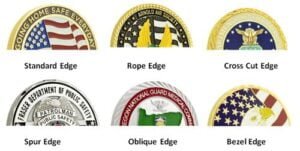
- Pokovování: Mince jsou často pokovené zlatem, stříbrem, černým niklem nebo starožitným bronzem, aby měly výrazný vzhled. Dual-plating (použití zlata a stříbra na stejné minci) je oblíbené pro vyšší ocenění.
- Smalt: Pro znázornění zářivých barev vlajky námořní pěchoty (šarlatové a zlaté) nebo nášivek jednotek je do zapuštěných oblastí mince vstříknut měkký nebo tvrdý smalt.
Speciální funkce a přizpůsobení
Moderní technologie umožnila neuvěřitelnou kreativitu v designu mincí.
- výřezy: Části mince jsou odstraněny, aby se vytvořil skeletonizovaný vzhled.
- 3D reliéf: Obličeje, vozidla nebo maskoti jsou vyřezáváni ve třech rozměrech a vyskakují z povrchu mince.
- Diamantově broušené hrany: Proces, kdy je okraj mince řezán diamantovým kotoučem, aby se vytvořil vroubkovaný, jiskřivý okraj, který zachycuje světlo.
Moderní použití: Nad rámec šeku na mince
Zatímco hry s pitím jsou nejslavnějším aspektem, primární použití mincí v moderní námořní pěchotě je pro uznání, historické uchování a diplomacii.
The “Potřesení rukou” Cena
Velitelé používají mince jako nástroj pro okamžité pozitivní posílení. Pokud mariňák vyniká během výcvikového cvičení nebo dokonale udržuje své vybavení, velitel může “dlaň” minci a předat ji při podání ruky. To umožňuje uznání bez byrokratického prodlení se zpracováním medaile. Okamžitě zvyšuje morálku a podporuje dokonalost.
Připomenutí milníků
Mince se používají k označení každého kroku mariňákovy kariéry.
- Promoce: Mince se často dávají po dokončení Boot Camp nebo Officer Candidate School (OCS) jako přivítání do bratrstva.
- Nasazení: Mince se razí pro konkrétní prohlídky (např. OIF, OEF) s daty a mapami.
- Odchod do důchodu: Když mariňák pověsí uniformu, často dostanou speciální mince na označení jejich let služby.
- výročí: Mince označují významná data, jako je nadcházející 250. výročí námořnictva nebo výroční narozeniny námořní pěchoty.
Od kulek k diplomacii
Přechod z “Bullet Club” Vietnamu do dnešních firemních zasedacích místností ilustruje neuvěřitelnou všestrannost této výzvy. V době Vietnamu, “výzva” byla odvážná, nebezpečná hra, kterou hráli pěšáci. Dnes byla tradice sanována a povýšena do nejvyšších úrovní vlády.
Prezident Spojených států, viceprezident a ministr obrany mají osobní mince. Ty se používají jako nástroje měkké diplomacie. Mince předaná generálem námořní pěchoty USA zahraničnímu hodnostáři nebo pracovitému diplomatovi znamená pouto důvěry. Dále se tradice rozšířila do civilního sektoru (Policie, Hasiči, EMS) a korporátního světa, kde firmy razí mince na oslavy uvedení produktů na trh nebo výročí.
Shromažďování a zobrazování
Pro mnohé nejsou challenge coiny jen nošením; jsou sbírány. “Numizmatika”— studium a sbírání mincí — je ve vojenské komunitě naživu a dobře. Mariňáci často vystavují své sbírky na odstupňovaných dřevěných stojanech, často ve tvaru americké vlajky nebo znaku námořní pěchoty.
Vzácné mince, jako jsou mince z rozpuštěných jednotek, prezidentské mince (POTUS) nebo chybové mince, mohou přinést vysoké ceny. Velmi vyhledávané jsou také pamětní mince ražené z drahých kovů, jako je stříbro. Skutečná hodnota mince pro mariňáka však nespočívá v jejím kovovém obsahu, ale v příběhu, který vypráví – vytvořené přátele, vybojované bitvy a slíbená věrnost.
Často kladené otázky
Co se stane, když vhodíte minci s výzvou?
Pokud náhodou upustíte svou minci výzvy a vydá slyšitelný zvuk, je to považováno za záměrnou výzvu všem přítomným. Poté musíte zkontrolovat, zda ostatní mají své mince. Pokud ano, dlužíte jim pití. Toto pravidlo nabádá mariňáky, aby zacházeli se svými mincemi opatrně a s respektem.
Mohou si civilisté kupovat nebo držet mince pro námořní výzvy?
Ano, civilisté mohou kupovat a sbírat mince námořní výzvy. Často se dávají jako dárky členům rodiny a příznivcům armády. Nicméně, “Kontrola mincí” hra a její pitný režim jsou tradičně vyhrazeny pro členy služby a veterány. Civilisté je mohou sbírat, aby ukázali podporu, ale zapojení se do kontroly mincí s mariňáky v aktivní službě by mohlo být považováno za přivlastnění si tradice specifické pro službu.
Jaká je nejvýše hodnocená výzva?
The “pořadí” mincí se obecně určuje podle hodnosti předkladatele. Mince od generála převyšuje minci od plukovníka. Mince nejvyššího postavení obvykle pocházejí od prezidenta Spojených států (POTUS), ministra obrany nebo velitele námořní pěchoty. V tie-breaku během kontroly mincí vyhrává mince nejvyššího pořadí, což znamená, že držitel nemusí kupovat nápoje, i když ostatní mají své mince.
Musíte mít minci neustále u sebe?
Podle tradice ano. Marine by měl mít svou minci neustále u sebe – ať už v uniformě, v civilu nebo venku v baru. Pravidlem je, že to musíte umět vyrobit uvnitř “krok a dosah” aby se vyhnul penalizaci. To symbolizuje étos námořní pěchoty být vždy připraven.
Co je “Boží brnění” mince?
The “Boží brnění” mince je oblíbená náboženská a pamětní mince, kterou často nosí mariňáci. Obsahuje biblické obrazy (Efezským 6:11-13) a symbolizuje duchovní sílu a ochranu v boji. I když se nejedná o konkrétní jednotkovou minci, je v komunitě velmi sbírána a respektována pro svůj duchovní význam.
Je v pořádku vyvrtat díru do mincí výzvy?
Ne. Vyvrtání díry do výzvy, abyste ji mohli nosit jako náhrdelník nebo na klíčence, se považuje za znehodnocení mince. V kontextu a “Kontrola mincí,” znehodnocená mince je často považována za neplatnou, což znamená, že byste prohráli výzvu. Mince musí zůstat volným medailonem, i když nošení v kapse na krku je pro legendu pilota z první světové války přijatelné.
Závěr: Dědictví ve vaší kapse
Marine Corps Challenge Coin je malý předmět s obrovskou hmotností. Nese historii pilota za nepřátelskými liniemi v 1. světové válce, kterou zachránil pouze bronzový medailon v jeho váčku. Nese tajemství agentů OSS ve druhé světové válce, ověřující identitu ve stínu. Nese v sobě kamarádství “Kulové kluby” ve Vietnamu a vážná vzpomínka na ty, kteří sloužili v Zádušních věcech v Iráku.
Pro mariňáka je to připomínka, aby byl vždy věrný –Vždy Věrný– k misi a k mariňákům nalevo a napravo. Je symbolem připravenosti, odznakem cti a nástrojem pro pouto, které přesahuje hodnost a čas. Ať už jste sběratel, který obdivuje řemeslo, nebo člen servisu, který zajišťuje, že už nikdy nebudete muset kupovat další kolo, výzva zůstává jednou z nejtrvalejších a nejuznávanějších tradic námořní pěchoty Spojených států.
Až budete přemýšlet o hluboké historii a přísných pravidlech této tradice, pamatujte, že vlastnictví mince je o více než držení; jde o ctění odkazu služby.